
Introduction
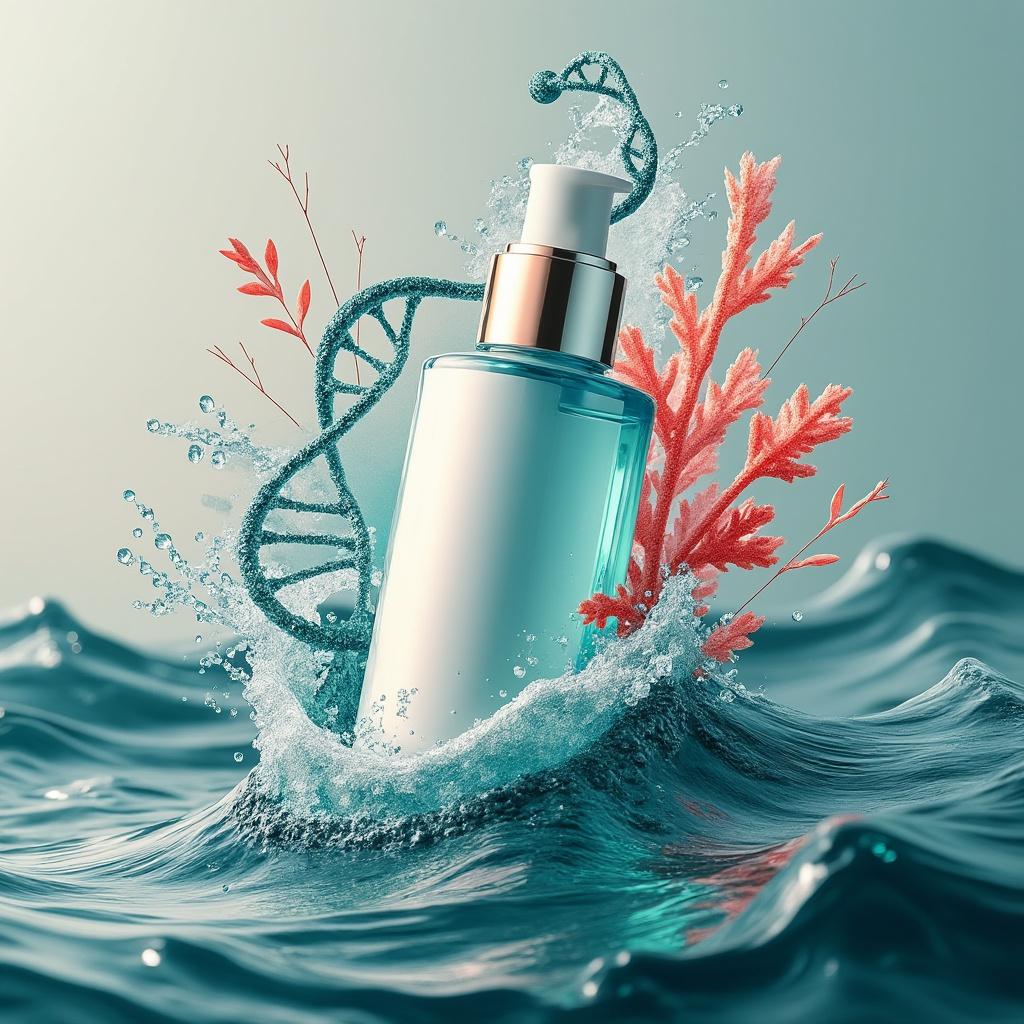
Imagine a world where your favorite skincare serum not only plumps and protects your skin but also safeguards the planet's oceans and forests. This isn't science fiction—it's the reality unfolding in the beauty industry today, thanks to biotechnology. As consumers increasingly demand products that deliver results without environmental compromise, ingredients derived from marine enzymes and bio-engineered actives are replacing synthetic chemicals at an unprecedented pace. In this article, we'll explore how biotech is fueling this revolution, backed by market data showing explosive growth through 2035, and why it matters for everyone—from everyday users to industry giants.
The Clean Beauty Boom: Consumer Demand Meets Biotech Innovation
The clean beauty movement has exploded from a niche preference to a mainstream mandate. According to recent surveys, 74% of consumers now prioritize organic ingredients in personal care products, with 45% willing to pay a premium for sustainably sourced options. This isn't a fleeting trend—it's a structural shift in how beauty brands operate. Biotechnology has emerged as the key enabler, making it possible to produce high-performance, eco-friendly ingredients at commercial scale.
At its core, biotech leverages biological processes—like fermentation and enzymatic reactions—to create actives that mimic nature's best without depleting it. Instead of harvesting rare plants that risk biodiversity loss, biotech firms engineer microbes to produce identical compounds in controlled lab environments. This addresses the industry's longstanding tension between delivering potent products and minimizing environmental footprints. The primary advantage is much cleaner and more sustainable production methods that drastically reduce waste and pollution. Bio-fermentation, for example, can cut water usage by up to 90% compared to traditional extraction. The result is a cosmetic chemicals market projected to surge through 2035, with biotech as the linchpin for clean-label innovation.
Marine Biotech: The Ocean's Gift to Skincare
Among biotech's most exciting frontiers is marine-derived ingredients, which tap into the ocean's vast biodiversity for groundbreaking actives. The marine enzymes market alone is projected to reach $918.3 million by 2033, growing at 6.90% annually, fueled by natural beauty trends. Even more impressively, marine-derived active ingredients in personal care are forecasted to reach $19.12 billion by the same year. These projections represent real products hitting shelves, like algae-based hyaluronic acid that hydrates as effectively as synthetic versions while being fully biodegradable.
Why marine biotech? Oceans cover 70% of Earth and harbor unique microorganisms that produce enzymes resilient to extreme conditions—ideal for creating stable, effective skincare ingredients. Companies are now culturing these organisms in bioreactors, avoiding overfishing and habitat destruction. Biotech revolutionizes the beauty industry by offering advanced methods to understand and manipulate biological processes, enabling formulators to develop marine collagen peptides for anti-aging formulas that rival retinol without irritation. This segment's explosive growth signals a broader trend: brands are differentiating through ocean-sourced biotech to meet clean beauty demand, turning what was once a fringe concept into a competitive advantage.
Broader Industry Shifts and Challenges
Biotech's impact extends beyond ingredients to the entire supply chain. The global cosmetic chemicals market is expanding rapidly, propelled by sustainable sourcing and clean innovation. Corporations are committing to net-zero goals, with biotech enabling traceable, low-impact manufacturing. Biotechnology can play a pivotal role in shaping the future of clean beauty by leveraging scientific innovation to set new standards for product efficacy and safety.
Yet challenges persist. Scaling biotech requires substantial R&D investments, and not all companies are adapting at the same pace. Recent industry layoffs, including Novartis cutting 550 employees amid manufacturing shifts, underscore the transitional pain in pharma-beauty crossovers. Regulatory hurdles also loom, as agencies like the FDA scrutinize novel bio-ingredients for safety. Still, consumer validation remains strong: that 74% organic preference shows no signs of weakening, pushing brands to innovate or risk obsolescence. The convergence of consumer willingness to pay premiums, scientific breakthroughs, and corporate sustainability pledges creates ideal conditions for biotech's continued dominance.
Conclusion: A Sustainable Horizon for Beauty
As biotechnology cements its place in clean beauty, we're entering an era where sustainability isn't an add-on but the foundation of innovation. This shift promises not just greener products but a healthier planet, with marine and bio-engineered ingredients leading the charge toward reduced ecological harm. Looking ahead, expect more cross-industry collaborations and policy support to accelerate adoption, ensuring beauty enhances lives without compromising our world. For consumers, it's a call to seek biotech-backed labels; for the industry, it's an opportunity to lead ethically. By 2035, clean beauty could redefine global standards, proving that true beauty blooms from balance with nature.
Brief Summary
Biotechnology is revolutionizing clean beauty by enabling sustainable, organic ingredient production amid rising consumer demand. Marine-derived innovations are driving massive market growth, projected to reach billions by 2033. This structural shift promises effective products with minimal environmental impact, reshaping the industry for a greener future.