Introduction: A Beacon of Hope in Pakistan's Financial Shadows
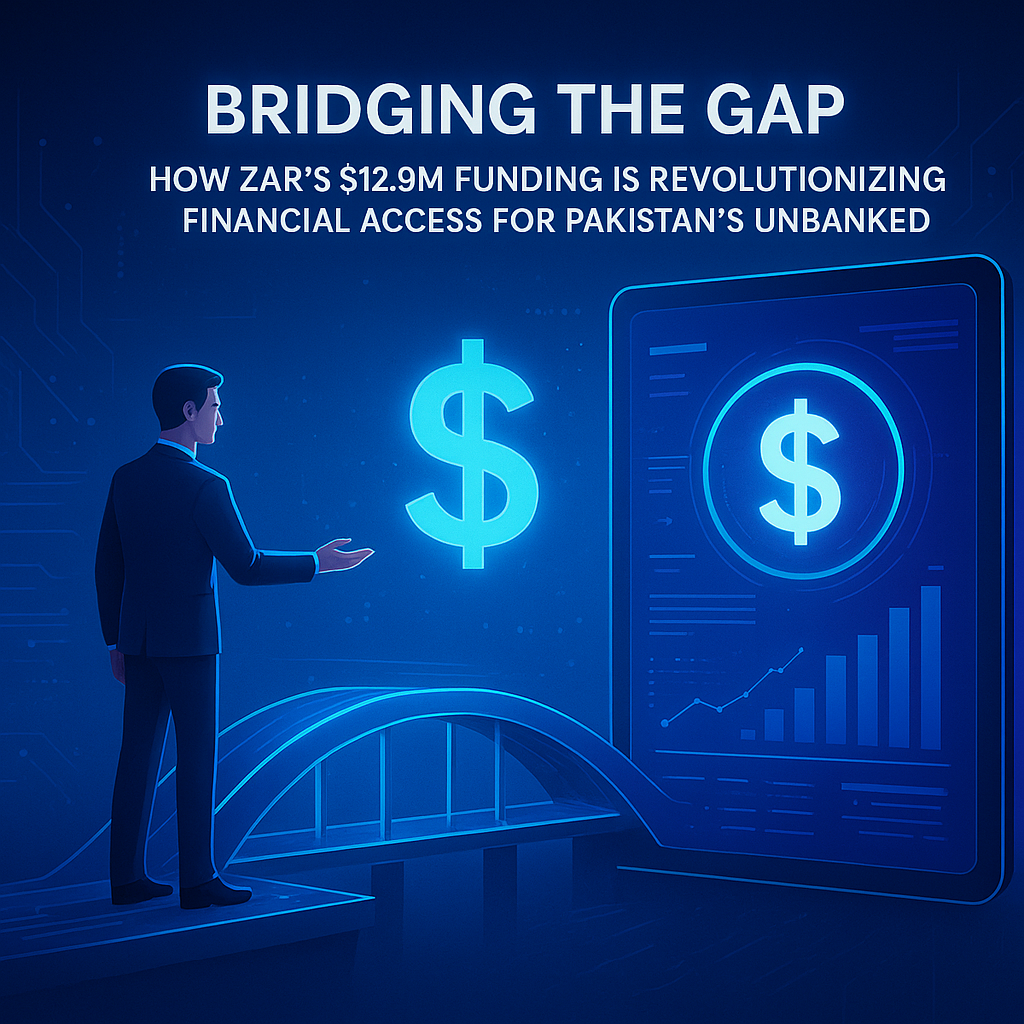
Imagine a country where over 100 million people—nearly half the population—live without access to basic banking services. In Pakistan, this isn't a dystopian scenario; it's the stark reality for the unbanked masses who rely on cash, informal money lenders, or costly remittance channels to navigate daily finances. Yet, amid this challenge lies a transformative opportunity: the rise of fintech innovations leveraging stablecoins. Enter ZAR, a young fintech startup that's just secured a whopping $12.9 million in funding, led by the powerhouse venture capital firm Andreessen Horowitz (a16z). This investment isn't just another crypto headline; it's a strategic play to democratize dollar-backed stablecoins, turning neighborhood kiosks into gateways for financial inclusion. As an expert in fintech and emerging market finance, I've watched this space evolve, and ZAR's move signals a pivotal shift toward real-world utility in blockchain technology.
The Funding Breakthrough: ZAR's Ambitious Blueprint
ZAR, founded just about a year ago, is no stranger to bold visions. The startup's recent $12.9 million funding round, reported across outlets like Bloomberg, FinTech Weekly, and PYMNTS.com, positions it at the forefront of Pakistan's fintech revolution. Led by a16z—a Silicon Valley giant with a storied track record in crypto investments—this capital infusion is earmarked for testing and launching ZAR's core initiative: integrating stablecoins into everyday financial transactions for the unbanked.
At its heart, ZAR's model is elegantly simple yet profoundly impactful. It aims to create a network of local kiosks and neighborhood stores—think the ubiquitous corner shops in Pakistani communities—where users can seamlessly convert cash into dollar-pegged stablecoins and vice versa. This isn't mere speculation; the focus is on practical use cases, particularly remittances. Pakistan receives billions in remittances annually from overseas workers, but traditional channels like Western Union or bank wires often gobble up 5-7% in fees and take days to process. ZAR's stablecoin approach promises near-instant transfers at a fraction of the cost, leveraging the stability of assets like USDC or similar tokens to shield users from Pakistan's volatile rupee.
Sources such as Live Bitcoin News and Blockchain News highlight how this funding will accelerate ZAR's expansion, starting with pilot programs in high-remittance areas. As someone who's analyzed dozens of similar ventures, I see ZAR's early-stage status as a strength: with fresh capital, it can iterate quickly, avoiding the pitfalls that have plagued more established players in emerging markets.
Tackling Pakistan's Financial Inclusion Crisis
Pakistan's unbanked population isn't just a statistic; it's a humanitarian and economic imperative. According to World Bank data, only about 21% of adults in Pakistan have formal bank accounts, leaving the rest vulnerable to inflation, currency devaluation, and exploitative informal finance. Remittances, which totaled over $30 billion in 2023, are a lifeline for millions of families, yet the inefficiencies in transfer systems exacerbate poverty cycles.
ZAR's intervention is timely. By deploying stablecoins—cryptocurrencies designed to maintain a 1:1 peg with the U.S. dollar—the startup addresses these pain points head-on. Users can receive remittances in stablecoins via a simple app or kiosk, hold value without fear of depreciation, and convert back to cash when needed. This cash-to-crypto bridge is crucial in a country where smartphone penetration is high (over 50%) but trust in digital finance lags due to limited infrastructure.
Drawing from reports in Finextra Research and TradingView, ZAR's strategy also taps into Pakistan's growing crypto curiosity. Despite regulatory hurdles—the State Bank of Pakistan has been cautious on digital assets—adoption is surging, with platforms like Binance seeing millions of local users. ZAR's kiosk model mitigates risks by blending the familiar (physical cash points) with the innovative (blockchain), potentially onboarding millions who might otherwise shun fully digital solutions. In my view, this hybrid approach could set a blueprint for other developing nations, where physical-digital convergence is key to scaling inclusion.
Broader Implications: A Catalyst for Fintech and Regulation
This isn't an isolated event; it's part of a seismic trend in global finance. a16z's involvement underscores a shift among top VCs toward backing blockchain for tangible impact rather than hype. Their crypto fund, which has poured billions into projects like Coinbase and Solana, now eyes emerging markets as the next frontier. As Bloomberg notes, ZAR's funding reflects confidence in stablecoins' role in solving 'real-world economic problems,' moving beyond Western speculation to address inclusion in places like Pakistan, Nigeria, and beyond.
The ripple effects could reshape Pakistan's financial ecosystem. Traditional banks and remittance giants may face pressure to innovate, reducing fees and speeding up services. On the regulatory front, ZAR's success might nudge authorities toward clearer digital asset frameworks—perhaps even sandboxes for fintech testing—mirroring India's evolving crypto policies. However, challenges loom: cybersecurity risks, AML compliance, and potential volatility in stablecoin reserves (as seen with past incidents like TerraUSD) must be navigated carefully.
Expert analyses from sources like PYMNTS.com emphasize the precedent this sets. If ZAR scales, it could inspire similar initiatives in remittance-heavy economies, amplifying stablecoins' global utility. From my vantage as a fintech observer, this investment validates a thesis I've long held: crypto's true value lies in empowering the underserved, not enriching the elite.
Conclusion: Paving the Way for a More Inclusive Future
ZAR's $12.9 million milestone isn't just fuel for a startup; it's a spark for systemic change in Pakistan. By harnessing stablecoins through accessible kiosks, ZAR is poised to unlock economic potential for the unbanked, streamline remittances, and foster a more resilient financial landscape. Looking ahead, the implications extend far: success here could accelerate VC interest in emerging-market fintech, prompt regulatory evolution, and demonstrate blockchain's power to bridge divides. As we stand on the cusp of this transformation, one thing is clear—innovations like ZAR's are not optional; they're essential for equitable global finance.
(Word count: 912)