
Introduction
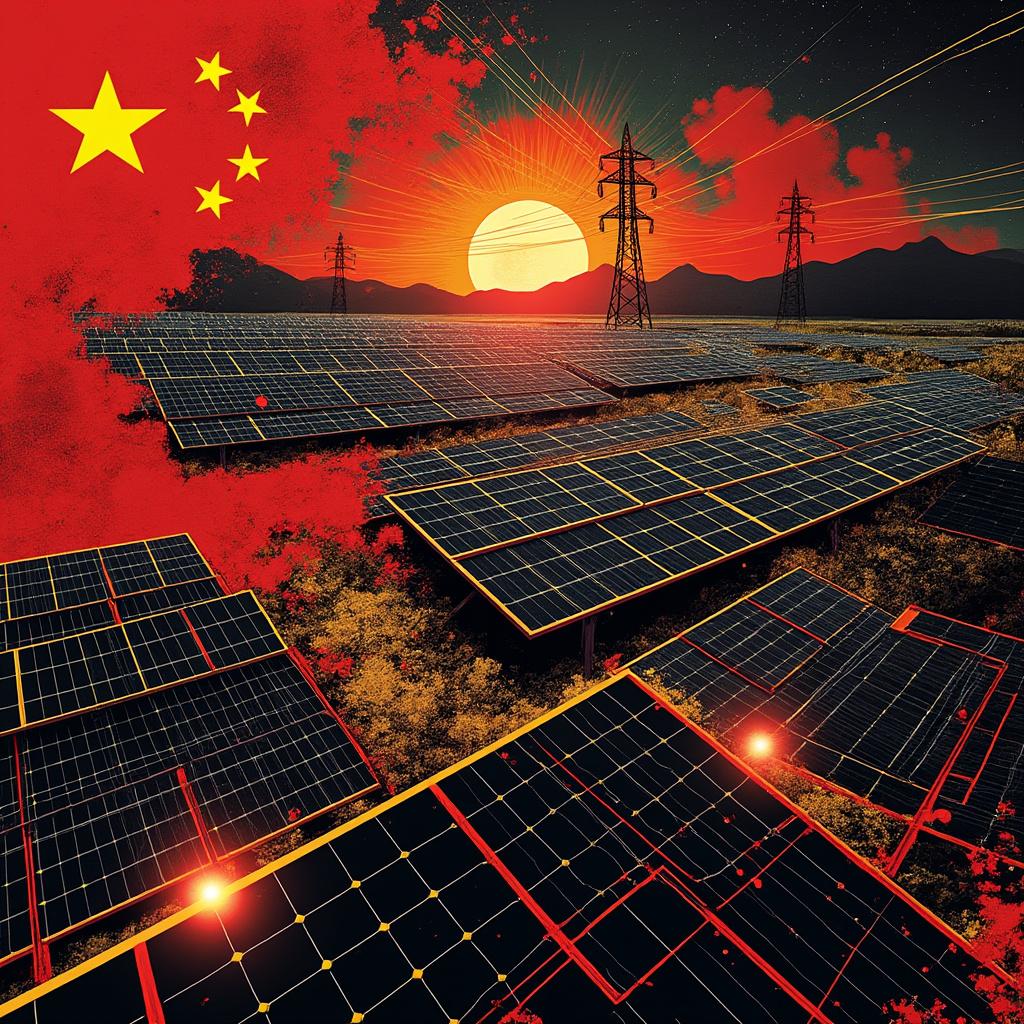
Imagine a nation adding more solar capacity in six months than the entire existing stock of the world's largest economy. That's China in 2025, outpacing every other country in wind and solar deployments. China's scale is reshaping the planet's energy future, even as it grapples with integration hurdles. Drawing from the World Economic Forum and Ember's latest reviews, this article unpacks the buildout, its challenges, and what it means for the world.
The Unmatched Scale of China's Renewable Surge
China isn't just leading—it's lapping the field. In the first half of 2025, it installed more solar than the total U.S. fleet, per World Economic Forum data. Overall, China produces 31% of global wind, solar, hydro, and geothermal output, fueled by hundreds of billions in state investments. This aligns with COP28's pledge to triple renewable capacity globally—China alone is on track to deliver a massive share.
Ember's China Energy Transition Review 2025 calls it a 'surge' driving whole-economy electrification, from EVs (millions manufactured yearly) to industrial upgrades. MIT Technology Review notes the massive investment in renewables, with China dominating supply chains for panels and batteries. This represents state-orchestrated dominance: policies slashing coal reliance while manufacturing muscle floods the grid with clean power.
Grid Strains: The Hidden Cost of Speed
Scale brings challenges. Intermittency from wind and solar overwhelms China's grid, causing curtailments—wasted energy when supply exceeds demand. Upgrades in storage, like massive battery farms, and ultra-high-voltage transmission lines are underway, but lag behind the buildout. Peterson Institute highlights how this electrification wave powers factories and cities, yet exposes vulnerabilities in a coal-heavy legacy system.
These challenges underscore a key lesson: renewables demand smart infrastructure. China is pouring resources into solutions, but the U.S., adding far less capacity, avoids some integration pains—though at the cost of momentum.
U.S.-China Rivalry: Lessons in Energy Security
Half the world's electricity comes from these two giants, per VanEck analysis. China's lead pressures rivals, spurring startups worldwide—like those targeting untapped rooftops, as Reuters reports—to catch up. Yet U.S. policies risk ceding ground: op-eds in The Providence Journal warn of undermined potential in clean tech, EVs, and grids needed for AI's power demands.
The 'Power Divide' isn't just technical—it's geopolitical. China's supply chain control bolsters national security and economic leverage; U.S. lags could hobble competitiveness in digital economies.
Conclusion: Implications for a Decarbonized World
China's renewable revolution forces a rethink: rapid deployment can outpace perfection, but grids must evolve in parallel. For the West, it demands policy pivots—boosting domestic manufacturing and transmission to match Beijing's ambition. Globally, this heralds cheaper clean energy but heightens supply chain tensions. The future? A multipolar grid race where integration winners will power the AI era and secure energy independence.