
Introduction
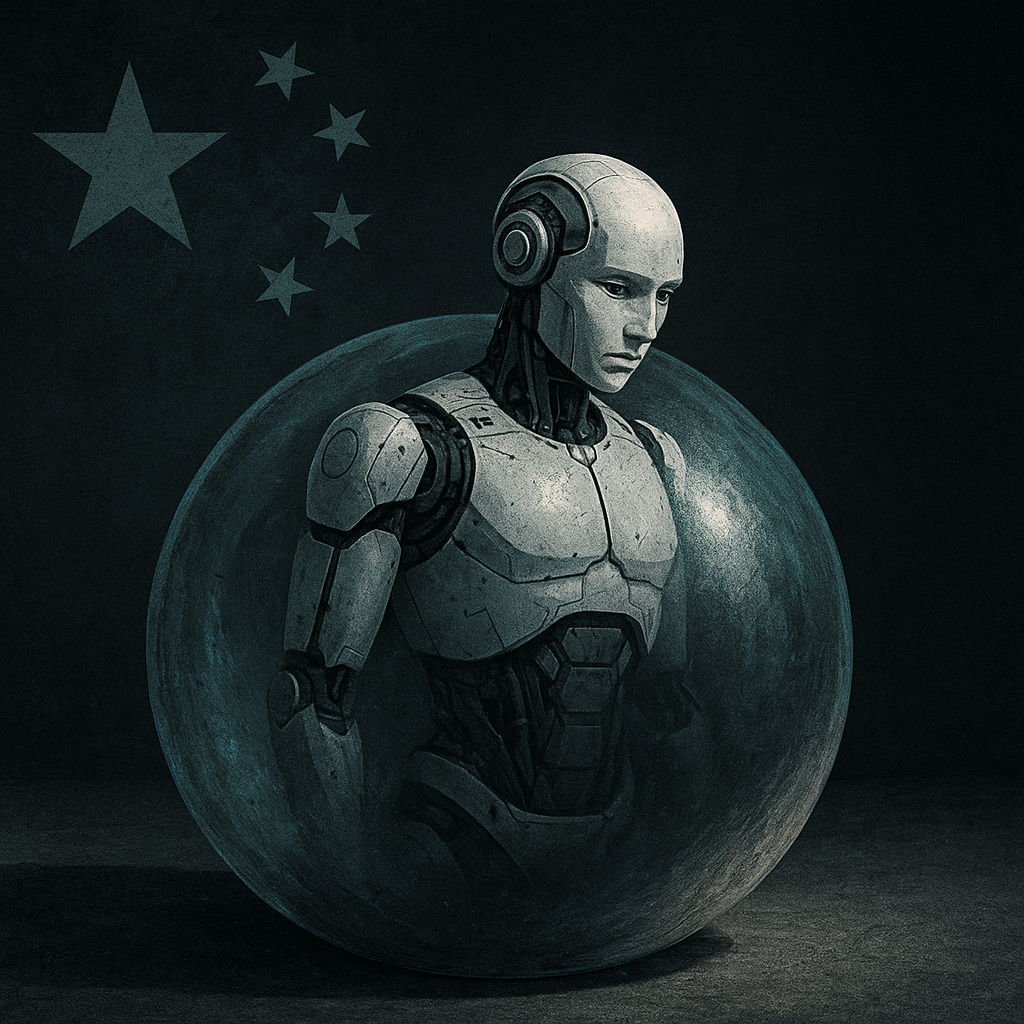
Imagine a future where humanoid robots assist in factories, care for the elderly, and even join dinner tables—straight out of science fiction, but now a booming reality in China. Yet, just as this industry surges with over 150 companies racing to build the next big thing, China's top economic planners are hitting the brakes. The National Development and Reform Commission (NDRC) has issued a stark warning: a speculative bubble is forming in the humanoid robotics sector. This rare official caution isn't just a domestic alert; it's a signal that could ripple through global markets, forcing us to rethink the hype around AI-driven robotics. In this article, we'll explore the warning's roots, the industry's explosive growth, and what it means for investors, innovators, and the world.
The Surge of Humanoid Robotics in China: Innovation or Overheating?
China's humanoid robotics industry has exploded onto the scene, embodying the nation's drive to lead in frontier technologies. Over the past few years, a flood of startups and established firms have poured resources into developing bipedal robots capable of human-like tasks. From Beijing's tech hubs to Shenzhen's manufacturing floors, more than 150 companies are now competing, churning out prototypes that promise to revolutionize labor, healthcare, and entertainment.
This growth aligns with China's 'Made in China 2025' initiative, which prioritizes robotics as a pillar of technological self-reliance. Investment has been staggering: venture capital firms and state-backed funds have funneled billions into these ventures, drawn by visions of robots addressing China's aging population and labor shortages. Companies like Unitree Robotics and Fourier Intelligence are leading the charge, with products ranging from agile walking bots to AI-integrated companions.
But here's where excitement meets reality. The NDRC's warning points to 'product duplication' as a core issue. Many of these 150+ firms are building similar machines—robots that walk, grasp, and interact in predictable ways—without meaningful differentiation. This saturation echoes the early days of electric vehicles in China, where rapid entry led to fierce price wars and consolidation. Such overcrowding often inflates valuations far beyond sustainable levels, creating a classic bubble environment where enthusiasm outpaces actual demand.
The NDRC's Rare Warning: A Sign of High-Level Alarm
What makes this alert particularly noteworthy is its source. The NDRC isn't an ordinary regulatory body; it's China's powerful economic-planning agency, tasked with steering the nation's economy. Official warnings about specific industries are rare—think of it as the equivalent of the U.S. Federal Reserve publicly fretting over a single sector bubble. NDRC officials have stated that 'frontier industries have long grappled with the challenge of balancing the speed of growth against the risk of bubbles—an issue now confronting the humanoid robotics sector.'
Beijing's concerns stem from excessive investment and speculative fervor. With so many players chasing the same market, we're seeing inflated funding rounds and hype-driven stock surges for robotics firms listed on exchanges like the Shenzhen Stock Exchange. This isn't just about domestic overheating; it's a fundamental tension in emerging tech. Initial breakthroughs spark investor mania, but without robust commercialization paths, the fallout can be severe.
The warning also highlights global implications. China's manufacturing dominance means its robotics output could flood international markets, undercutting competitors in the U.S., Europe, and Japan. If a bubble bursts, it might not just consolidate China's industry but disrupt supply chains worldwide, affecting everything from component suppliers to end-user applications in automation.
Implications and Potential Fallout: From Regulation to Market Reset
So, what happens next? The NDRC's intervention suggests regulatory measures are on the horizon. We could see tighter controls on funding, stricter product standards, and barriers to market entry to weed out speculative ventures. This might include intellectual property enforcement to encourage genuine innovation over copycats, as well as subsidies redirected toward R&D in areas like advanced AI integration or battery efficiency—key hurdles for humanoid robots that still struggle with dexterity and autonomy.
For investors, this is a wake-up call. Confidence in robotics startups could wane, leading to a funding drought and a shakeout where only the strongest survive. Picture a market consolidation: the 150 companies dwindle to a handful of leaders, much like how China's solar panel industry evolved from chaos to global dominance. Globally, this could temper the humanoid robot hype that's gripped Silicon Valley, where firms like Tesla (with its Optimus project) and Boston Dynamics are betting big.
Broader policy priorities are at play too. China aims to manage tech development sustainably, avoiding the waste of overinvestment while preserving its edge. The 'buzz' around humanoid robots carries real bubble risk, potentially leading to significant disruption. This could accelerate international collaborations or tensions—think U.S. export controls on AI chips intensifying if China pushes harder for self-sufficiency.
Conclusion: Navigating the Path Forward for Robotics
China's bubble warning in humanoid robotics isn't a death knell for the industry; it's a pragmatic pivot toward sustainable growth. By addressing duplication and speculation now, Beijing can foster a more mature sector that truly advances human-robot coexistence. For the global tech landscape, this serves as a cautionary tale: rapid innovation must be tempered with market realities to avoid painful corrections. Looking ahead, a refined industry will likely emerge stronger, with breakthroughs in AI and materials science driving real-world applications. The key will be balancing ambition with caution—ensuring that robots enhance, rather than upend, our future.
Brief Summary
China's NDRC has warned of a bubble in its booming humanoid robotics industry, citing over 150 companies and product duplication amid excessive investment. This rare alert highlights risks of market overheating and potential global disruptions, underscoring the need for sustainable innovation in frontier technologies.