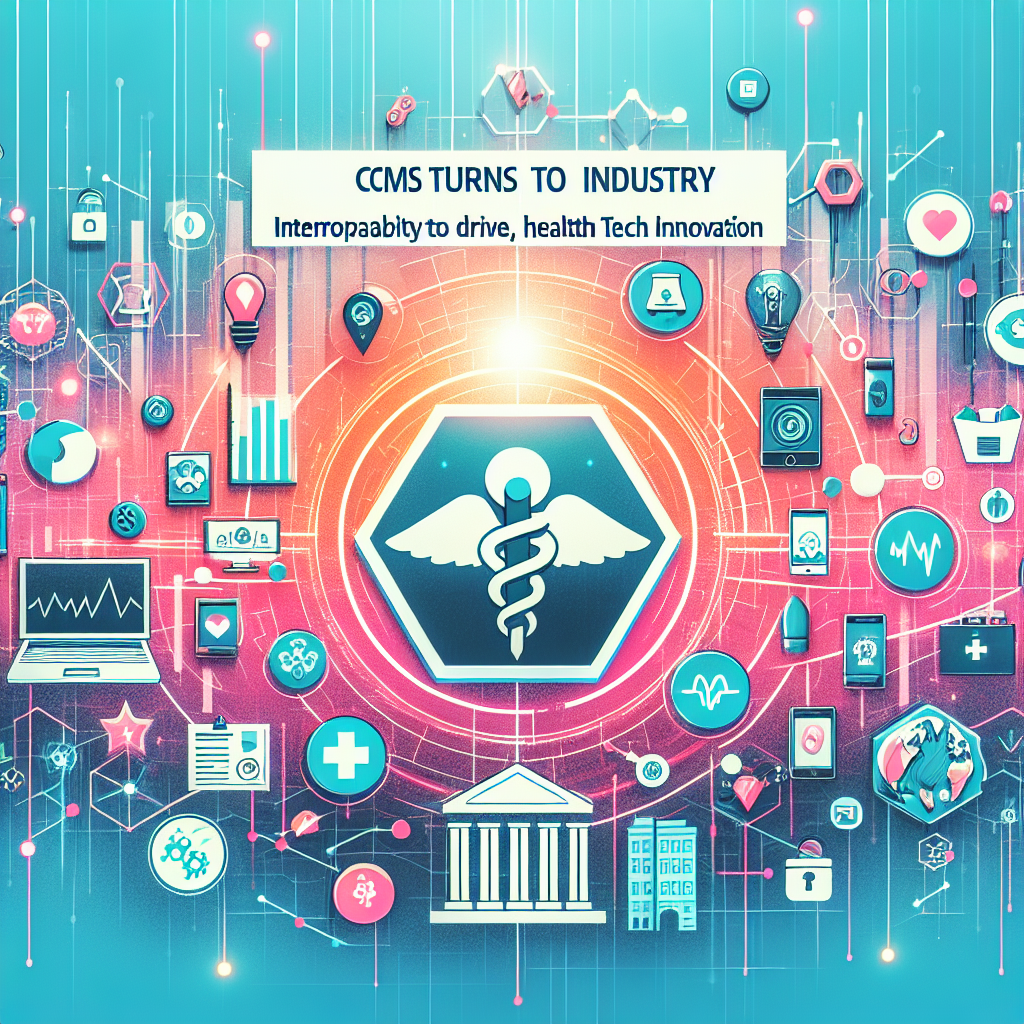
CMS Turns to Industry to Drive Interoperability, Health Tech Innovation
Introduction
CMS is partnering with industry leaders to build an AI-driven health technology ecosystem and advance interoperability.
Key Developments
- CMS is spearheading the creation of a Digital Health Ecosystem that emphasizes collaboration across the healthcare industry rather than mere regulatory compliance, aiming to foster innovation and interoperability (Source 1).
- High-quality data and semantic interoperability are foundational to the CMS Interoperability Framework, enabling more effective AI-driven health technologies and ensuring that disparate systems can communicate seamlessly (Source 2).
- CMS’s new network strategy explicitly calls for enhanced health tech interoperability, with platforms like Reveleer aligning their solutions to meet these federal goals, signaling a shift towards integrated, patient-centric care models (Source 3).
Background Context
The Centers for Medicare & Medicaid Services (CMS) is advancing a comprehensive strategy to build an AI-driven health technology ecosystem that prioritizes interoperability and innovation. This initiative builds upon prior efforts to improve data sharing and patient access to health information, moving beyond compliance to active collaboration with industry stakeholders. The ecosystem aims to leverage semantic interoperability and high-quality data to enable seamless information exchange across healthcare providers, payers, and technology vendors. The effort is supported by federal strategies and partnerships, including commitments from the White House and tech leaders, to create a patient-centric healthcare environment that facilitates clinical and operational improvements.
Expert Analysis
- "The CMS Digital Health Ecosystem represents a historic inflection point, shifting the focus from regulatory mandates to collaborative innovation that empowers all stakeholders in healthcare." – Industry analyst commentary from Wolters Kluwer (Source 2).
- "Aligning with CMS’s interoperability goals is critical for digital health companies to ensure their technologies are not only compliant but also truly impactful in improving patient outcomes." – Reveleer platform representative (Source 3).
Future Implications
- The White House and leading technology companies have committed to supporting a patient-centric healthcare ecosystem, reinforcing CMS’s interoperability framework and accelerating adoption of innovative health IT solutions (Source 5).
- CMS’s Request for Information (RFI) process earlier in the year invited feedback from life sciences and digital health companies, indicating ongoing stakeholder engagement to refine and enhance the Health Technology Ecosystem initiative (Source 4).
Conclusion
This development highlights the ongoing evolution in the field and underscores the importance of staying informed about emerging trends and their potential consequences.