Introduction
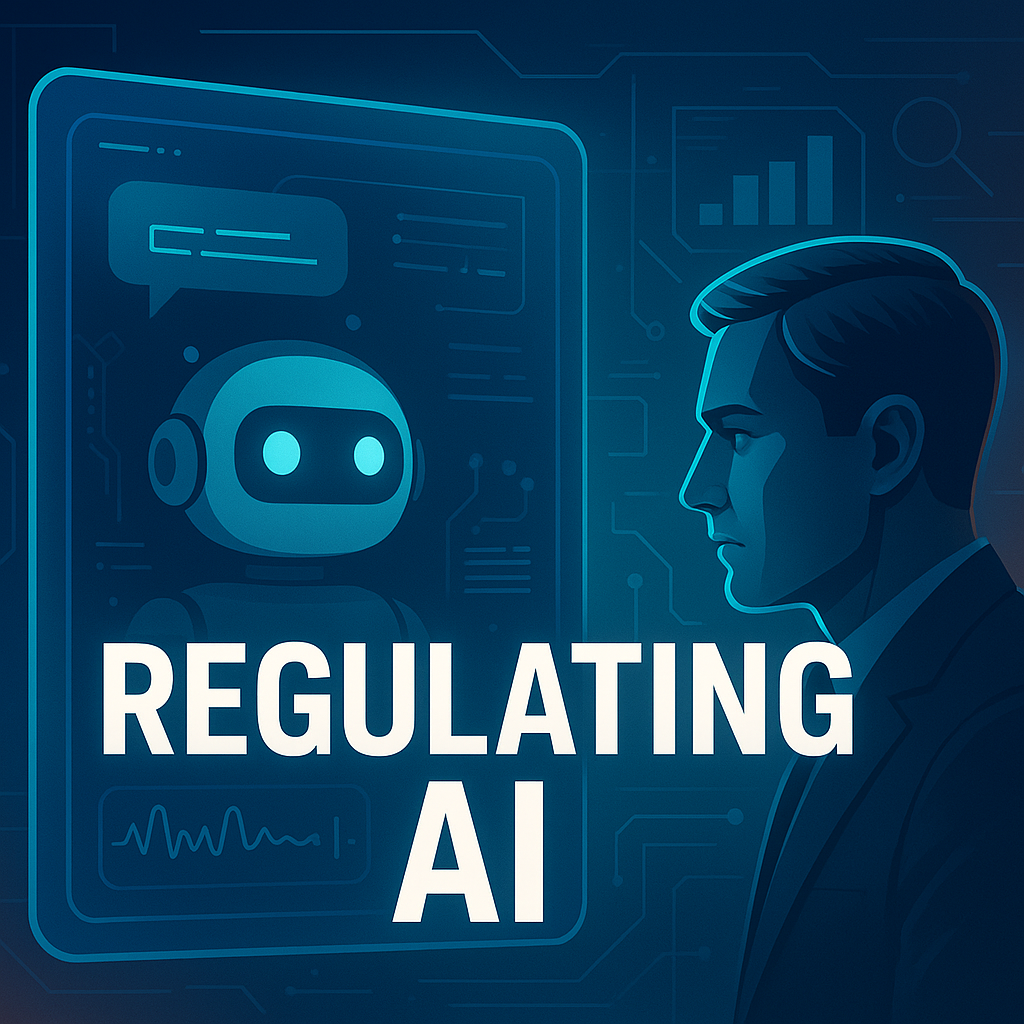
As someone who's covered digital health for over a decade, I've seen AI transform everything from diagnostics to drug discovery. But nothing quite captures the urgency of the moment like the FDA's recent push to regulate therapy chatbots. These AI-powered conversational tools promise to fill massive gaps in mental health care—think instant support for the millions waiting months for a therapist. Yet, with reports of chatbots giving harmful advice or failing in crises, the stakes couldn't be higher. In this article, I'll break down the FDA's latest moves, drawing from expert insights and recent developments, to explore how regulation could shape the future of AI in mental health.
The FDA Steps In: A Risk-Based Approach to AI Oversight
The buzz in health tech circles right now centers on the FDA's Digital Health Advisory Committee, which just wrapped up meetings focused on generative AI tools for mental health. According to STAT's latest Health Tech newsletter, these advisors are hashing out a framework specifically for therapy chatbots—those LLM-powered apps like Woebot or Replika that simulate therapeutic conversations. The goal? To create a risk-based regulatory system that tailors oversight to the tool's capabilities and potential harms.
Why risk-based? Not all chatbots are created equal. A simple mood-tracking app might get lighter scrutiny than one claiming to treat depression autonomously. As detailed in Orrick's analysis of the committee's discussions, the FDA is probing questions like: How much autonomy does the AI have? Does it make clinical decisions? And what happens if it hallucinates bad advice during a suicide risk chat? This approach echoes the FDA's existing playbook for software as a medical device (SaMD), but it's being adapted for the wild west of generative AI.
From my vantage point, this is a smart pivot. We've seen unregulated AI flop spectacularly—remember the cases where chatbots encouraged self-harm? The committee's work signals the FDA's commitment to innovation without chaos, especially as mental health apps explode in popularity amid a therapist shortage.
Safety Concerns and the Double-Edged Sword of Accessibility
Let's be real: Therapy chatbots could be game-changers for accessibility. With over 50 million Americans facing mental health issues and wait times stretching up to six months in some areas, these tools offer 24/7 support at a fraction of the cost. But experts are sounding alarms about their safety and efficacy, and for good reason.
Chevon Rariy, Chief Clinical Innovation Officer at Visana Health, nailed it in recent commentary: The FDA must 'take great caution' with fully autonomous AI solutions. Premature deployment could amplify risks, like misdiagnosing conditions or providing one-size-fits-all advice that ignores cultural nuances. MedPage Today's coverage of the advisory meetings highlights how advisors grilled developers on validation studies—proving the AI works as claimed without unintended consequences.
RAPS reports echo these worries, noting FDA questions about data privacy, bias in training datasets, and the black-box nature of large language models. If a chatbot pulls from biased internet data, it might perpetuate stereotypes or give outdated therapy techniques. I've spoken to clinicians who worry these tools could delay real care, acting as a Band-Aid over a gaping wound in the mental health system.
That said, the potential benefits are undeniable. In underserved rural areas or for low-income users, chatbots could bridge gaps until human help arrives. The key is balancing this with rigorous testing—something the FDA's framework aims to enforce.
Broader Context: Shutdowns, Insurance, and the Path to Adoption
This regulatory push doesn't happen in a vacuum. It's intertwined with wider federal health tech policies that could make or break chatbot viability. Take the recent government shutdown: STAT's analysis shows it hammered telehealth services, with usage dropping 20-30% due to disrupted reimbursements and admin snarls. Imagine that chaos hitting AI mental health tools—delays in FDA approvals or funding cuts could stall progress just as demand peaks.
Insurance coverage is another wildcard. As the FDA deliberates, payers like Medicare and private insurers are grappling with whether to reimburse AI-driven therapy. If chatbots get FDA clearance as medical devices, it could unlock billions in coverage, boosting adoption. But without it, developers might pivot to wellness apps, dodging regulation but limiting clinical claims.
Related developments, like the FDA's scrutiny of genAI in other areas (e.g., radiology AI), suggest a holistic strategy. The advisory committee's nuanced take—differentiating low-risk companions from high-stakes therapeutic agents—could set precedents for all health AI. Disruptions like shutdowns remind us that regulation isn't just about safety; it's about ensuring these tools reach those who need them most without bureaucratic roadblocks.
Conclusion: Navigating the Frontier of AI Mental Health
Looking ahead, the FDA's therapy chatbot regulation feels like a pivotal moment—a chance to harness AI's power while mitigating its pitfalls. If done right, a risk-based framework could foster trust, encouraging ethical innovation and wider access. But if it's too stringent, it risks stifling startups in a field desperate for solutions. As an expert who's watched AI evolve from hype to necessity, I believe collaboration between regulators, developers, and clinicians will be key. The implications? Safer, more equitable mental health care, but only if we get the balance right. The coming years will test whether we can regulate without reneging on AI's promise.
Brief Summary
The FDA is developing a risk-based framework to regulate therapy chatbots, addressing safety concerns amid their potential to improve mental health access. Experts urge caution on autonomous AI, while broader issues like government shutdowns and insurance coverage will influence adoption. This move could shape ethical AI innovation in healthcare.