
Introduction: A Robot That Runs
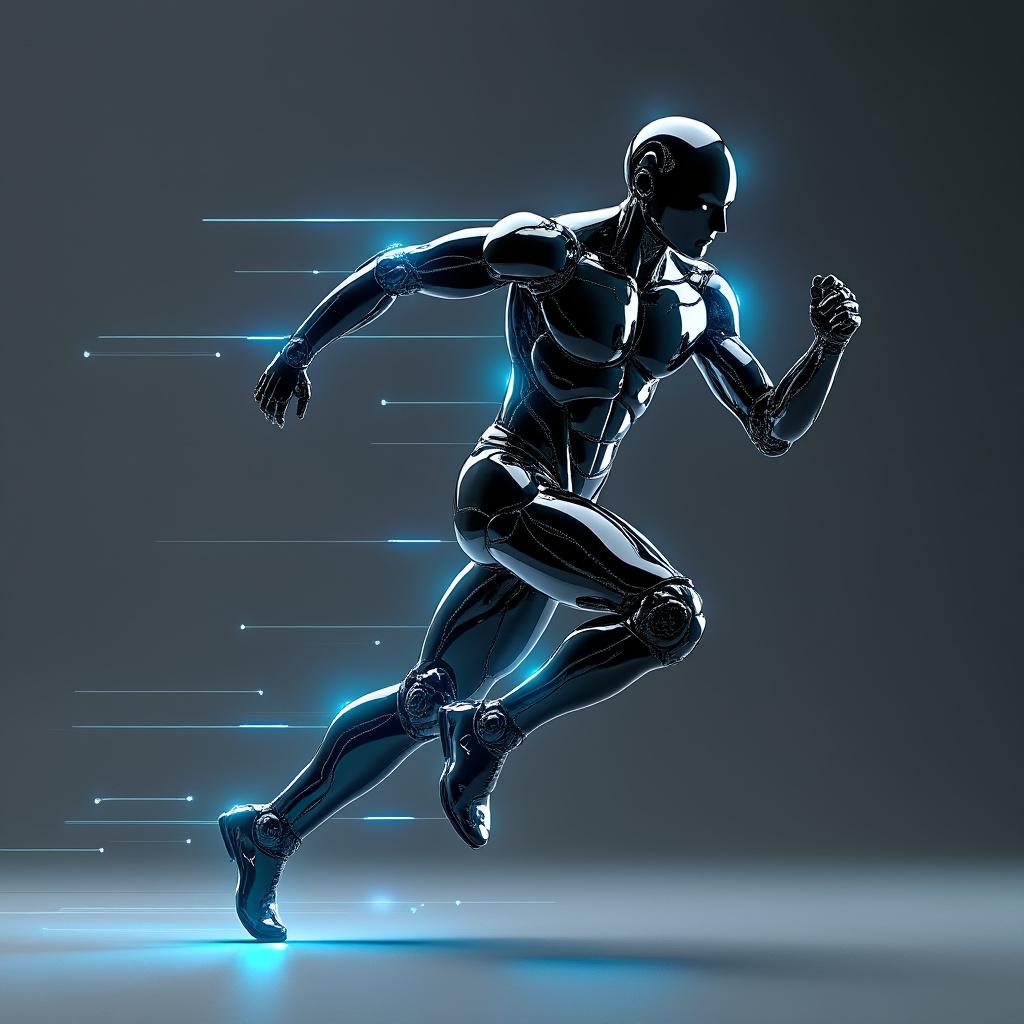
A humanoid robot sprinting at near-human speeds, moving with the agility of a casual jogger, is no longer science fiction. On December 4, 2025, Figure AI CEO Brett Adcock released a teaser video on Threads showing their latest creation, Figure 03, running at 6.5 mph. Described as "fast, agile, smooth" by Forbes tech analyst John Koetsier, this demonstration represents a significant advance in robotics. Running unlocks new possibilities for robots in warehouses, disaster zones, and beyond—environments where speed and agility are essential.
The Breakthrough Demo: Speed, Agility, and Technical Achievement
Brett Adcock's video clip, covered by outlets including Forbes and Interesting Engineering, shows Figure 03 in full stride. At 6.5 mph (approximately 10.5 km/h), the robot matches the pace of beginner human joggers—far exceeding the walking speeds of earlier models.
Figure AI, the U.S. company founded by Adcock, has rapidly iterated on its humanoid lineup. Figure 03 builds on its predecessors with AI-driven control systems, high-torque actuators, and machine learning algorithms optimized for balance and gait. Unlike competitor demonstrations limited to straight-line walking, Figure 03 exhibits dynamic locomotion: smooth heel-to-toe transitions, adaptive foot placement, and torso stability at speed. The robot maintains this velocity without tethers or external support—a hallmark of true autonomy.
This speed likely stems from reinforcement learning models trained on extensive simulation data, allowing real-time adjustments to terrain variations. The demonstration represents a substantial leap from Figure 02's capabilities, proving the synergy between iterative hardware improvements and advanced software.
The Competitive Landscape: Figure vs. Tesla, Xpeng, and Global Rivals
Figure 03 operates in an increasingly competitive field. Tesla's Optimus, Xpeng's Iron, and Chinese robotics firms are all pushing boundaries in humanoid development. Recent analyses compare them directly: Figure leads in movement fluidity, Optimus benefits from Tesla's manufacturing scale, and Xpeng Iron demonstrates high torque capabilities.
This global competition, intensifying throughout 2025, mirrors the electric vehicle race. Figure's U.S.-based focus on labor applications—including fulfillment centers and construction—positions it strategically for commercial deployment. Competitor demonstrations have shown slower speeds; even Tesla's latest Optimus walks at under 5 mph in public demonstrations. Koetsier's Forbes analysis highlights Figure's polish: "It looks fast, agile, smooth"—a quality that resonates with both investors and potential customers.
Coverage across social media and tech outlets validates the authenticity of Figure's achievement amid industry hype, with the company's valuation rising on expectations that these capabilities will translate to practical, endurance-ready robots.
Real-World Applications: From Warehouses to Disaster Response
The practical implications of a running robot are substantial. Walking robots struggle in chaotic environments—navigating spilled items, uneven floors, or emergency evacuations. At 6.5 mph, Figure 03 can navigate logistics facilities significantly faster, potentially retrieving items 30% more quickly than walking robots. In factories, it can maneuver around moving equipment; in disaster scenarios, it could deliver aid through debris.
The economic implications are significant. Labor shortages could be partially addressed with robots handling repetitive physical tasks. McKinsey estimates that humanoid robotics could add $1-2 trillion to global GDP by 2035, with demonstrations like this accelerating that timeline.
Challenges remain: battery life at speed, production costs, and safety certifications all require solutions before widespread deployment. However, Adcock's vision of autonomous workers is becoming increasingly tangible as actuator technology now approaches human muscle performance.
Conclusion: The Future of Dynamic Humanoids
Figure 03's running capability represents a genuine milestone in humanoid robotics. By achieving dynamic locomotion at human-relevant speeds, Figure AI has advanced the technology toward practical deployment in unstructured environments, outpacing competitors in a critical capability. Pilot programs in manufacturing plants or logistics facilities could begin in 2026.
Challenges remain around scalability, cost, and ethical considerations including workforce displacement. However, the trajectory from laboratory demonstrations to real-world deployment continues to accelerate. Figure 03's achievement moves humanoid robotics closer to practical applications that could augment human capabilities across multiple industries.
Brief Summary
Figure 03's 6.5 mph running speed demonstrates breakthrough agility in humanoid robotics, positioning the technology for practical applications in logistics, manufacturing, and emergency response. Led by CEO Brett Adcock, Figure AI is advancing in the global robotics competition with significant economic and commercial implications.