Introduction
In the fast-paced world of cybersecurity, we often hear about zero-day vulnerabilities and cutting-edge exploits. Yet, this week's most alarming threat isn't new at all—it's a five-year-old vulnerability now actively being weaponized in the wild. As security professionals and enterprise leaders scramble to patch systems, a major Gmail policy shift emerges, and a significant insurance sector breach reveals the scope of modern data theft. These three developments paint a troubling picture of our current threat landscape: legacy flaws remain dangerous, consumer privacy expectations are shifting, and no industry is immune to compromise.
Here's what you need to know and why it matters.
The Fortinet Crisis: A Five-Year-Old Vulnerability Now Under Active Exploitation
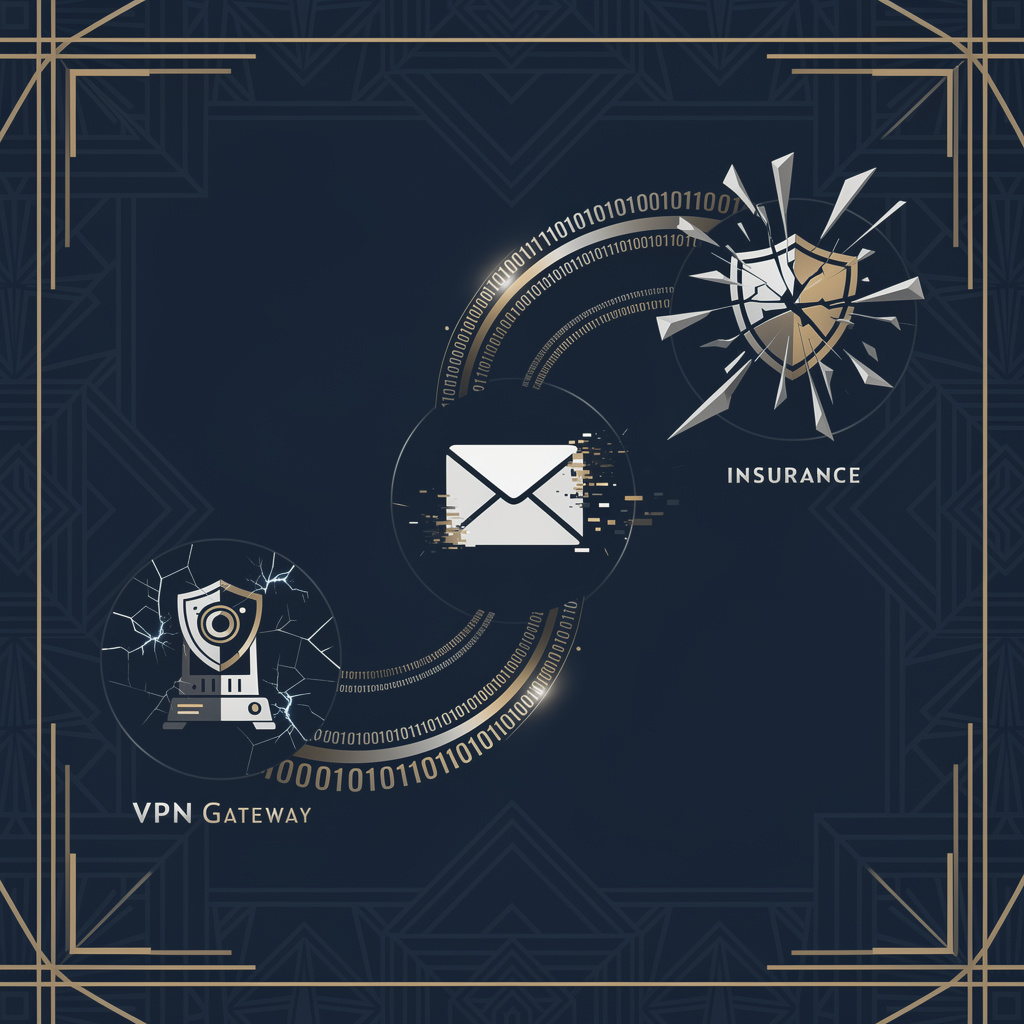
Fortinet has officially confirmed what security researchers feared: CVE-2020-12812, a vulnerability disclosed in 2020 affecting FortiOS SSL VPN, is now being actively exploited in the wild. What makes this particularly concerning is the attack vector: under specific LDAP configurations, attackers can bypass two-factor authentication entirely.
Let that sink in. Two-factor authentication—the security layer millions of organizations rely on to protect remote access—can be circumvented on vulnerable Fortinet systems.
The vulnerability stems from improper authentication handling in FortiOS SSL VPN portals when LDAP is configured with certain group settings. Despite patches being available for years, countless organizations still run unpatched or misconfigured systems. This is the classic cybersecurity paradox: we know the problem, we have the solution, yet the vulnerability persists in production environments.
What's particularly troubling is the timing and scope of exploitation. Nation-state actors and cybercriminals alike have taken notice. For any organization using Fortinet VPN infrastructure—and there are many—this represents an immediate and critical threat. An attacker who can bypass 2FA gains unfettered access to internal networks, potentially leading to data exfiltration, lateral movement, and complete infrastructure compromise.
This incident echoes a broader pattern we've witnessed with VPN vulnerabilities. Recent flaws in Pulse Secure and Citrix have similarly demonstrated that remote access infrastructure remains a prime target. The lesson is clear: VPN appliances require constant vigilance, regular patching, and rigorous configuration hardening.
Google's Gmail Policy Shift: Redefining Digital Identity and Control
While enterprises grapple with VPN security, Google is reportedly considering a significant policy change: allowing users to change their default Gmail addresses.
For nearly two decades, Gmail addresses have been permanent fixtures—tied immutably to accounts from creation to closure. This policy has frustrated countless users who registered with addresses they later regretted, whether due to changing personal circumstances, privacy concerns, or poor judgment in youth.
Why the shift now? Competition. Services like ProtonMail, with its emphasis on privacy, and Apple iCloud, with its seamless device integration, have been chipping away at Gmail's dominance. By allowing address changes, Google addresses a long-standing user complaint while potentially improving retention and satisfaction.
But there's more at stake here than convenience. This change reflects evolving attitudes toward digital identity and privacy. Users increasingly want control over their digital footprints, and a changeable email address represents meaningful agency. For enterprises, this could have implications for identity management, access control systems, and any infrastructure tied to email addresses as unique identifiers.
The move signals Google's recognition that privacy and user control are becoming competitive differentiators. Whether this policy materializes or remains in consideration, it represents a notable acknowledgment that the old rules of digital identity are being rewritten.
The Aflac Breach: Insurance Sector Under Sustained Attack
In June, insurance provider Aflac fell victim to a significant cyberattack resulting in confirmed data theft. While details remain limited, the incident underscores a troubling trend: the insurance industry has become a high-value target for sophisticated threat actors.
Insurance companies hold treasure troves of personal information—names, addresses, social security numbers, financial data, and health information. For cybercriminals and nation-state actors alike, this represents an extraordinarily valuable prize. The Aflac attack resulted in actual data exfiltration, meaning sensitive information is now in adversaries' hands.
This breach isn't isolated. We're witnessing a sustained campaign against the financial services and insurance sectors. Each successful breach provides threat actors with operational intelligence, credentials, and data they can monetize through identity theft, corporate espionage, and other criminal channels.
What's particularly concerning is the persistence and sophistication of these attacks. Organizations with substantial security budgets are still being compromised, suggesting attackers are becoming increasingly skilled at evading detection, maintaining persistence, and executing data theft at scale.
The Interconnected Threat Landscape
These three developments—the Fortinet exploit, Gmail policy shift, and Aflac breach—might seem disparate, but they're deeply interconnected.
The Fortinet vulnerability exploits legacy infrastructure that organizations haven't prioritized for patching. The Gmail policy shift reflects users' growing demand for privacy and control—a demand driven partly by high-profile breaches like Aflac's. And the Aflac breach demonstrates that even well-resourced organizations struggle to defend against determined, sophisticated adversaries.
Together, they paint a picture of a cybersecurity environment where legacy flaws remain dangerous, user expectations are evolving, and no organization is truly safe from compromise.
What Organizations Should Do Now
For security leaders and IT teams, the immediate priorities are clear:
First, audit your Fortinet infrastructure immediately. Identify any systems running vulnerable versions of FortiOS, prioritize patching, and verify LDAP configurations are hardened.
Second, review your identity management practices. As email addresses become changeable, ensure your systems can accommodate this evolution without creating security gaps.
Third, assess your data protection posture. Assume breach mentality isn't pessimism—it's realism. If your organization were compromised tomorrow, could you detect it? Could you contain it? Do you know what data would be at risk?
Conclusion: Moving Beyond Reactive Defense
We stand at an inflection point in cybersecurity. Legacy vulnerabilities remain exploitable because organizations struggle with patch management at scale. Consumer expectations around privacy and control are reshaping how technology companies build products. And sophisticated threat actors continue to target high-value sectors with remarkable success.
The path forward requires a fundamental shift in how we approach security. We must move beyond reactive patching toward proactive vulnerability management. We must acknowledge that security is now a consumer expectation, not a technical afterthought. And we must accept that perfect defense is impossible—resilience, detection, and rapid response are what separate successful organizations from those that become headlines.
The Fortinet vulnerability won't be the last five-year-old flaw to be actively exploited. Breaches will continue to make headlines. But organizations that treat these incidents as wake-up calls—that audit their infrastructure, harden their configurations, and invest in detection and response—will be the ones that survive and thrive in an increasingly hostile threat landscape.