
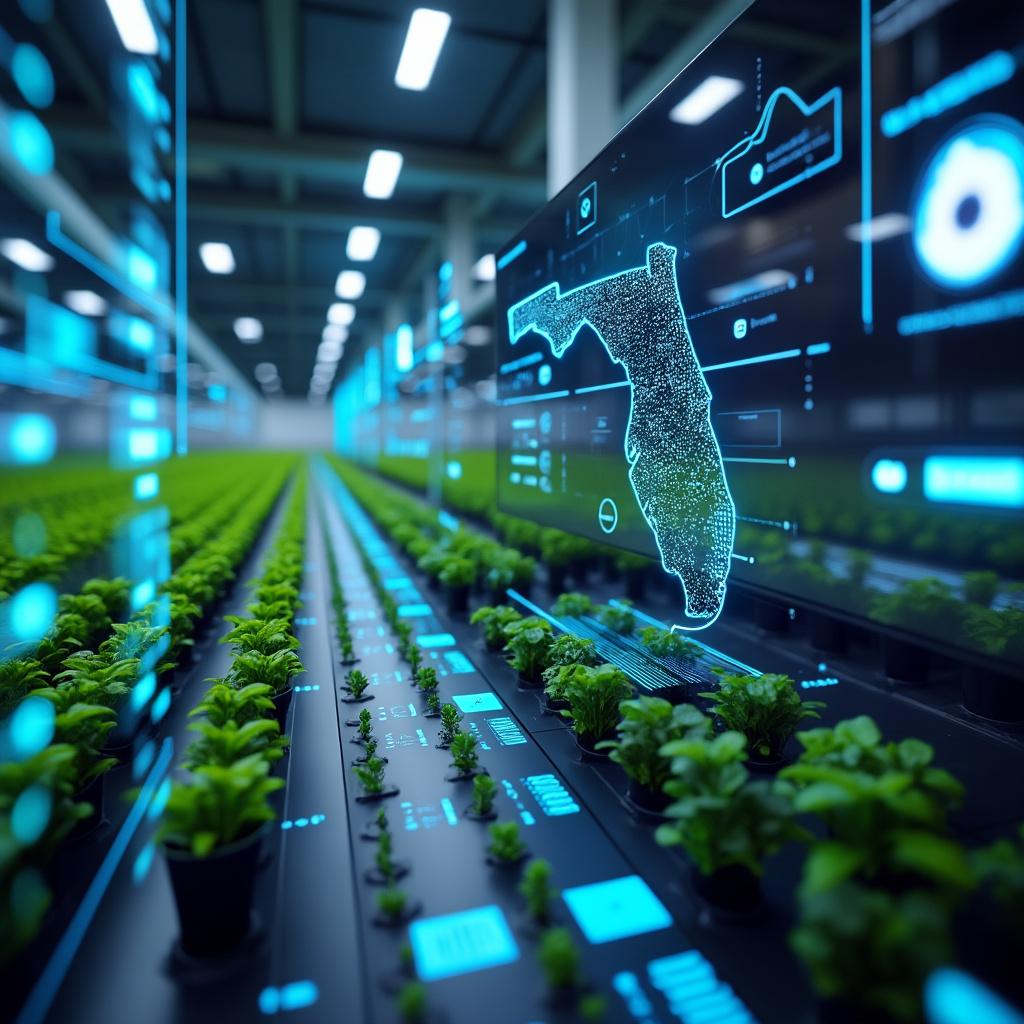
Introduction: Sowing the Seeds of Innovation
As someone who's spent years tracking the intersection of technology and agriculture, I've seen firsthand how AI is transforming dusty fields into data-driven powerhouses. Imagine Florida's vast citrus groves and vegetable patches not just thriving on sunlight and soil, but powered by algorithms that predict pests, optimize irrigation, and even guide robotic harvesters. That's the promise of the newly announced UF/IFAS AI Center, where construction kicked off on November 10, 2025, in Balm, Florida. This isn't just another building project—it's a bold step toward redefining Florida's $150 billion agricultural economy, making it smarter, more sustainable, and less reliant on backbreaking labor. In this article, I'll dive into what this center means for farmers, the state, and the future of food production.
The Groundbreaking: A Milestone for Florida AgTech
The ceremony in Balm marked more than dirt being turned; it was a declaration from FloridaCommerce that agricultural technology is now an official target industry. As I watched the coverage unfold, it struck me how this aligns with the state's economic playbook—prioritizing sectors that blend innovation with practical needs. The UF/IFAS (University of Florida Institute of Food and Agricultural Sciences) AI Center is designed to harness artificial intelligence and robotics to tackle real-world challenges faced by Florida's growers.
Florida's agriculture is a powerhouse, producing everything from oranges to strawberries, but it's long been plagued by labor shortages, climate vulnerabilities, and rising costs. The center aims to flip the script, shifting from labor-intensive methods to technology-intensive ones. Faculty experts, like those quoted in Florida Trend, are optimistic: they're envisioning AI tools that solve problems "with more speed and efficiency than ever before." Picture drones scouting for diseases in real-time or AI models forecasting yields based on weather patterns—tools that could save farmers millions while boosting output.
This initiative isn't happening in a vacuum. It's backed by state-level support, as highlighted in the FloridaCommerce announcement, which positions agtech as a key driver for job creation and economic growth. With construction underway, the center will serve as a hub for research, testing, and deployment of these technologies, directly benefiting the state's 47,000+ farms.
Bridging AI and Expertise: Boosting Productivity and Careers
What excites me most about the UF/IFAS AI Center is how it marries cutting-edge AI with the deep agricultural know-how that UF/IFAS has cultivated for decades. This isn't about replacing farmers with robots; it's about empowering them. The center's scientists plan to combine human expertise with machine learning to enhance productivity—think AI-driven precision agriculture that targets fertilizers exactly where they're needed, reducing waste and environmental impact.
From my perspective as an agtech observer, this approach addresses Florida's unique challenges head-on. Hurricanes, saltwater intrusion, and invasive species like citrus greening have battered crops for years. AI can analyze vast datasets from satellites and sensors to predict and prevent these threats, helping farmers protect their livelihoods and the environment. As one expert noted in the Infrastructure & Incentives Update, this tech will not only improve food quality but also create exciting career pathways for students.
Indeed, the center is poised to revolutionize workforce development. Florida's agricultural sector employs over 1.8 million people, but many jobs are seasonal and physically demanding. By integrating AI education into UF/IFAS programs, the initiative opens doors to roles in data analysis, robotics engineering, and sustainable farming tech. It's part of a broader state strategy, tying into infrastructure investments that emphasize high-tech job training. For young Floridians, this could mean trading pitchforks for programming, turning rural communities into innovation hotspots.
Broader Implications: Sustainability, Economy, and National Trends
Zooming out, the AI Center reflects Florida's savvy positioning in the global agtech boom. Nationally, precision agriculture is exploding—market projections estimate it could reach $12 billion by 2027. Florida, with its subtropical climate and diverse crops, is ideally suited to lead, but only if it adapts quickly. The center's focus on sustainability is particularly timely; AI can minimize water use in a state grappling with droughts and sea-level rise, while reducing pesticide runoff to safeguard the Everglades and Gulf Coast ecosystems.
Economically, this is a magnet for investment. By designating agtech as a target industry, FloridaCommerce is signaling to businesses: come build here. We could see an influx of startups, research partnerships, and even international collaborations, much like how Silicon Valley drew tech giants. Related developments, such as state reimbursements for enforcement costs (as reported in Florida Politics), underscore a stable environment for growth, even amid policy debates.
However, challenges loom. Adoption barriers like high upfront costs and digital literacy gaps could sideline smaller farms. The center must prioritize accessible tech to ensure equitable benefits. Still, if successful, this could elevate Florida's ag competitiveness, securing its role in feeding America amid global supply chain strains.
Conclusion: Harvesting a Smarter Tomorrow
The UF/IFAS AI Center isn't just a facility—it's a catalyst for Florida's agricultural renaissance. By weaving AI into the fabric of farming, it promises higher yields, greener practices, and a new generation of tech-savvy agriculturists. As we look ahead, the real harvest will be in how this innovation ripples outward, potentially inspiring other states and fortifying food security in an unpredictable world. For Florida farmers, the message is clear: the future of agriculture is here, and it's powered by intelligence—both artificial and human.
Brief Summary
Florida's new UF/IFAS AI Center, groundbreaking on November 10, 2025, in Balm, aims to revolutionize agriculture through AI and robotics, targeting efficiency and sustainability for local farmers. Backed by state economic strategies, it promises productivity gains, environmental protection, and career opportunities in agtech. This initiative positions Florida as a leader in precision farming amid national trends.