
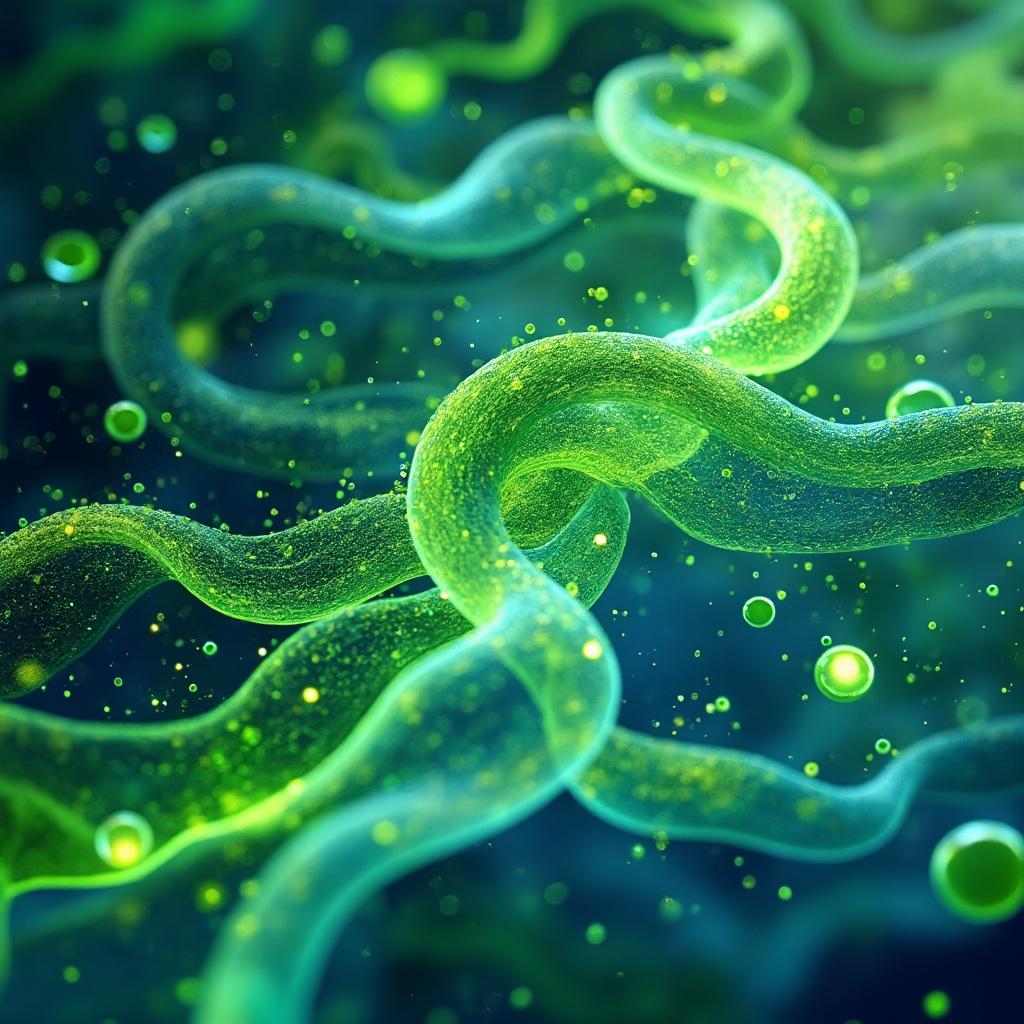
Introduction: The Microscopic Heroes We Need Right Now
Imagine organisms so small they evade the naked eye, yet capable of devouring carbon dioxide, churning out clean fuels, purifying wastewater, and feeding the world—all while combating climate change. These are microalgae, single-celled aquatic powerhouses quietly revolutionizing biotechnology. As a marine biologist with over a decade studying algal systems, I've witnessed their explosive growth potential firsthand. On December 11, 2025, the Smithsonian Institution's National Museum of Natural History will host marine and molecular biologist Abdulmajid Alrefaie for "Microalgae Biotechnology: Tiny Powerhouses Shaping Our Future." In an era of escalating climate crises, resource scarcity, and pollution, microalgae offer scalable, green solutions that could redefine sustainability. Let's dive into their world.
The Science Behind Microalgae's Superpowers
Microalgae are microscopic algae that photosynthesize with remarkable efficiency, converting sunlight, CO2, and nutrients into biomass at rates far surpassing traditional crops. Unlike their larger macroalgae cousins like kelp, microalgae's single-celled structure allows for rapid replication—doubling in as little as hours under optimal conditions—and adaptability to harsh environments, including wastewater and saline brines.
At their core, these organisms excel at carbon sequestration. They fix atmospheric CO2 through photosynthesis, breaking it down into cellular components that yield high-value products: lipids for biofuels, pigments like astaxanthin for nutraceuticals, and proteins for food supplements. Abdulmajid Alrefaie highlights how strains metabolize carbon sources to produce oils and pigments, positioning microalgae as biofactories. Recent research underscores their pioneering role, noting that certain species achieve lipid contents up to 60% of dry weight—ideal for biodiesel that burns cleaner than fossil fuels.
Specific strains demonstrate exceptional potential. Parachlorella kessleri and Chlorella vulgaris show remarkable resilience in challenging environments. Research by environmental engineer Prakash Bajagain reveals Parachlorella's prowess in nutrient recovery from wastewater, absorbing nitrogen and phosphorus that would otherwise fuel harmful algal blooms in rivers. Chlorella vulgaris thrives in industrial effluents, converting pollutants into valuable biomass. These 'green engines' grow 10-50 times faster than terrestrial plants, requiring no arable land or freshwater—making them a genuine biotech game-changer.
Real-World Applications: From Waste to Wealth
Microalgae biotechnology is already deploying across critical sectors. In wastewater treatment, they act as natural filters. By fixing nitrogen and recovering nutrients, strains like Chlorella vulgaris mitigate eutrophication, the process where excess fertilizers choke waterways. Algae systems can reduce chemical oxygen demand in sewage by over 90%, producing harvestable biomass as a bonus.
Bioenergy represents another major frontier. Microalgae lipids rival palm oil in yield but without deforestation. Integrated systems combine carbon capture with biofuel production: CO2 from power plants feeds algal ponds, yielding fuel that offsets emissions. In nutraceuticals, beta-carotene from Dunaliella salina already dominates health supplements, while spirulina's proteins pack more nutritional punch than soy.
Beyond energy and health, microalgae are pioneering bioplastics and food production. Their polymers form biodegradable plastics stronger than petroleum-based alternatives, and high-protein strains address global hunger without expanding farmland. Research emphasizes this multifunctionality: one algal culture can simultaneously treat waste, sequester carbon, and generate multiple revenue streams, slashing costs for industries from aquaculture to cosmetics.
I've consulted on pilot projects where microalgae bioreactors processed brewery wastewater, yielding omega-3 oils for fish feed. The economics are compelling—production costs have dropped 50% in the last decade, thanks to genetic engineering and LED photobioreactor technology.
Challenges and the Road Ahead
No revolution is without hurdles. Scaling microalgae cultivation remains challenging: contamination in open ponds, high energy requirements for harvesting, and strain optimization all demand innovation. Genetic modifications via CRISPR enhance yields—engineered Chlorella now produces 20% more lipids—but regulatory hurdles for genetically modified organisms persist.
Yet momentum is building. Industry forecasts project microalgae markets reaching $1.5 billion by 2030, driven by EU green mandates and U.S. Department of Energy grants. Alrefaie's Smithsonian presentation signals growing institutional support, bridging academia and policy. Collaborative efforts are integrating microalgae into circular economies, where waste from one process fuels another.
Conclusion: A Greener Future Powered by the Invisible
Microalgae aren't just organisms; they're the sustainable Swiss Army knives our planet demands. By transforming carbon waste into fuels, foods, and environmental solutions, they tackle the intertwined crises of climate change, pollution, and scarcity head-on. As we approach the 2025 Smithsonian event, one thing is clear: investing in algal biotechnology isn't optional—it's essential for building a resilient world. The tiny powerhouses are ready; now it's our turn to scale them up.
Brief Summary: Microalgae offer groundbreaking solutions for carbon capture, biofuel production, wastewater treatment, and more, with strains like Parachlorella kessleri and Chlorella vulgaris leading the charge. Spotlighted in upcoming Smithsonian talks and backed by scientific research, they promise a sustainable revolution amid global environmental challenges.