
Introduction: A Game-Changer in Brussels
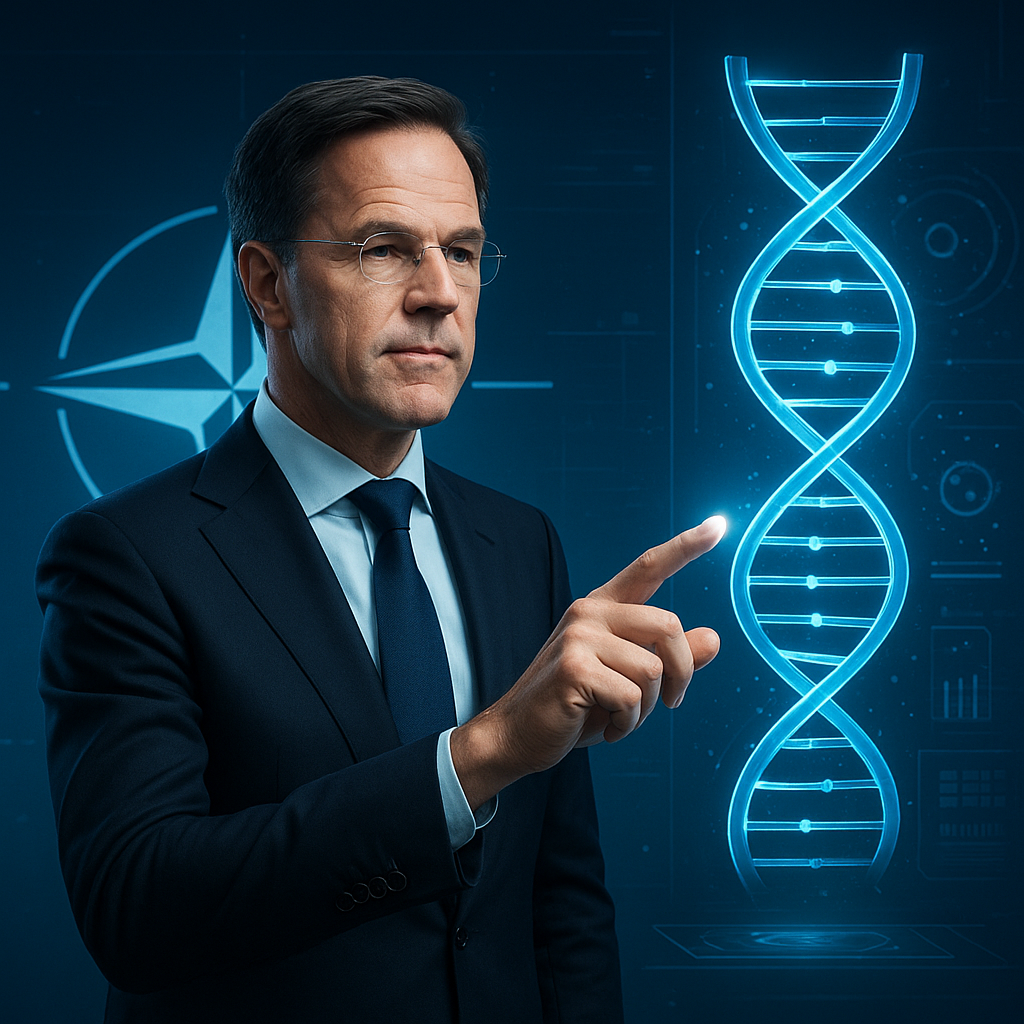
As an expert who's tracked the intersection of biotechnology and geopolitics for over a decade, I was riveted by the news emerging from Brussels on October 28, 2025. NATO Secretary General Mark Rutte took the stage at the alliance's inaugural Biotechnology Conference, hosted by Belgium, and dropped what can only be described as a strategic bombshell. In a room buzzing with scientists, military officials, and policymakers, Rutte didn't just speak—he outlined a vision where biotech isn't a side note to tanks and jets, but a core pillar of future defense. This wasn't hyperbole; it marked NATO's official elevation of biotechnology to a strategic priority, a direct response to the biotech arms race heating up with rivals like China and Russia. If you're wondering how gene editing and human enhancement could redefine warfare, buckle up—this conference is your wake-up call.
The Conference: Bridging Labs and Battlefields
Picture this: a sleek conference center in Belgium, filled with sharp minds from NATO's 32 member states, mingling with biotech innovators from the private sector. That's the scene of NATO's first Biotechnology Conference, a two-day event that felt less like a stuffy diplomatic gathering and more like the dawn of a new tech frontier. Rutte's keynote address set the tone, urging allies to "stay ahead" in biotechnology to counter the advancements being made by adversaries. He specifically highlighted the need to advance capabilities in areas like human enhancement—think enhanced soldier performance through genetic tweaks or bio-engineered resilience—which NATO now views as essential for maintaining a competitive edge.
From my vantage point, having analyzed NATO's evolving tech strategies, this event signifies a profound institutional shift. Historically, the alliance has focused on cyber, AI, and hypersonics, but biotech has lurked in the shadows, often dismissed as too speculative or ethically fraught. No longer. The conference brought together the civilian biotech community—researchers from firms like those in BioSpace's ecosystem—with NATO officials, fostering collaborations that could accelerate dual-use technologies. Rutte's words echoed a sense of urgency: China and Russia aren't waiting; they're already investing heavily in biotech for defense, from bioweapons countermeasures to performance-enhancing therapies for troops. By hosting this in Belgium, a hub for European innovation, NATO is signaling its commitment to integrating biotech into its defense framework, potentially reshaping how alliances allocate resources.
Strategic Priorities: Biotech as the New Battlefield
Diving deeper, Rutte's address wasn't just motivational rhetoric; it was a call to action with teeth. He explicitly called for NATO allies to boost their biotechnology R&D investments, framing it as vital for deterrence and superiority in an era where biological innovations could outpace traditional hardware. The focus on "human enhancement" jumped out at me—it's not sci-fi anymore. We're talking applications like CRISPR-based edits for faster healing, neural interfaces for better decision-making under stress, or even synthetic biology to create resilient supply chains for military logistics.
This pivot reflects broader geopolitical tensions. China, for instance, has poured billions into its "Made in China 2025" initiative, which includes biotech for military augmentation, while Russia's programs hint at similar ambitions, albeit more opaque. NATO's response? Elevating biotech to strategic priority status, the first time the alliance has done so formally. In my experience covering defense tech, this means real-world changes: expect defense budgets in countries like the US, UK, and Germany to see biotech line items swell. The conference discussions, as reported in sources like Anadolu Agency, emphasized aligning private sector innovation—think startups in gene therapy—with NATO's objectives, potentially mobilizing a trillion-dollar industry for defense ends.
But it's not all smooth sailing. Ethical red flags abound. Human enhancement raises questions about equity—who gets super-soldiers, and at what cost to human rights? NATO will need to navigate these collectively, perhaps through new guidelines or summits. Still, the momentum is clear: biotech is no longer peripheral; it's central to future military effectiveness.
Implications: Reshaping Alliances and Ethics
Zooming out, this conference has ripple effects that extend far beyond Brussels. For NATO member states, it could mean redirecting funds from legacy systems toward biotech labs, sparking a wave of public-private partnerships. I've seen similar shifts in AI adoption, where initial investments led to breakthroughs like autonomous drones—biotech could yield even more transformative results, from pandemic-resistant forces to bio-forged materials.
Geopolitically, it's a shot across the bow to competitors. By rallying its biotech community, NATO aims to democratize these technologies among allies, reducing dependency on any single nation. Yet, it also invites scrutiny: how will this affect global norms? The UN and other bodies might push back against militarizing biotech, echoing debates around autonomous weapons. On the economic front, firms in the sector—despite headwinds like layoffs at companies such as Sensei, as noted in BioSpace—could find new funding streams, blending civilian health tech with defense needs.
From an ethical standpoint, the human enhancement angle demands careful handling. Rutte's push underscores NATO's pragmatic view: in a world where rivals experiment unchecked, hesitation could be fatal. But as someone who's consulted on bioethics in defense, I believe this opens doors for robust debates on limits, ensuring innovation doesn't erode our humanity.
Conclusion: Toward a Biotechnological Future
In wrapping up, NATO's first Biotechnology Conference isn't just an event—it's a manifesto for the alliance's next chapter. Mark Rutte's leadership here positions biotech as the linchpin of deterrence, urging a united front against emerging threats. Looking ahead, this could redefine warfare, making it as much about biology as ballistics, but only if NATO balances innovation with ethics. The implications are profound: stronger alliances, ethical reckonings, and a biotech-fueled edge in global competition. As we stand on this cusp, one thing's certain—ignoring biotech isn't an option; leading it is the only path forward.
Brief Summary
NATO's inaugural Biotechnology Conference, addressed by Secretary General Mark Rutte on October 28, 2025, marks a pivotal shift, elevating biotech to a strategic defense priority amid competition from China and Russia. The event focused on human enhancement and military applications, bridging civilian innovation with alliance goals. This development promises to reshape defense budgets, ethics, and geopolitics, heralding a new era of biological warfare capabilities.