
Physical AI at CES 2026: Impressive Robots, Practical Questions
When the doors opened at the Las Vegas Convention Center for CES 2026, it became immediately clear that the tech industry's focus had fundamentally shifted. Gone were the days of endless software announcements and incremental digital improvements. Instead, the hallways buzzed with something tangibly different: humanoid robots marching across stages, AI-powered machines dealing blackjack, and automated booths managed entirely by robotic staff. For the first time since ChatGPT's explosive debut in 2023, the industry wasn't just talking about artificial intelligence—it was demonstrating robots that could actually do things in the physical world.
This pivot toward what the industry calls "physical AI" represents a watershed moment for technology development. Yet beneath the spectacle and genuine innovation lies a more nuanced story: one of remarkable progress tempered by persistent practical challenges and legitimate questions about whether the hype matches reality.
The Spectacle of Physical AI: What We Saw at CES 2026
The numbers tell part of the story. Major technology companies didn't merely participate in CES 2026—they dominated it with robotics demonstrations that captured both media attention and attendee imagination. Humanoid robots took center stage, with companies like IntBot pioneering a bold marketing strategy by staffing their entire booth with robotic assistants. Blackjack-dealing robots entertained crowds, while synchronized humanoid formations demonstrated movement capabilities that seemed pulled directly from science fiction.
Nvidia, one of the world's most influential AI companies, made particularly significant announcements. The company unveiled concrete plans for humanoid robot development alongside advanced autonomous vehicle technologies. This dual focus signals something important: major tech firms no longer treat robotics and autonomous systems as separate domains. Instead, they're converging them as complementary applications of the same underlying physical AI infrastructure.
What distinguishes this from previous robotics hype cycles is the integration with modern AI. These aren't pre-programmed machines following rigid scripts. They're systems trained on vast datasets, capable of adapting to novel situations and learning from their environments. The leap from digital AI—which operates in software and language—to physical AI represents a fundamental expansion of artificial intelligence's reach into tangible, real-world applications.
The Implementation Gap: Where Theory Meets Practice
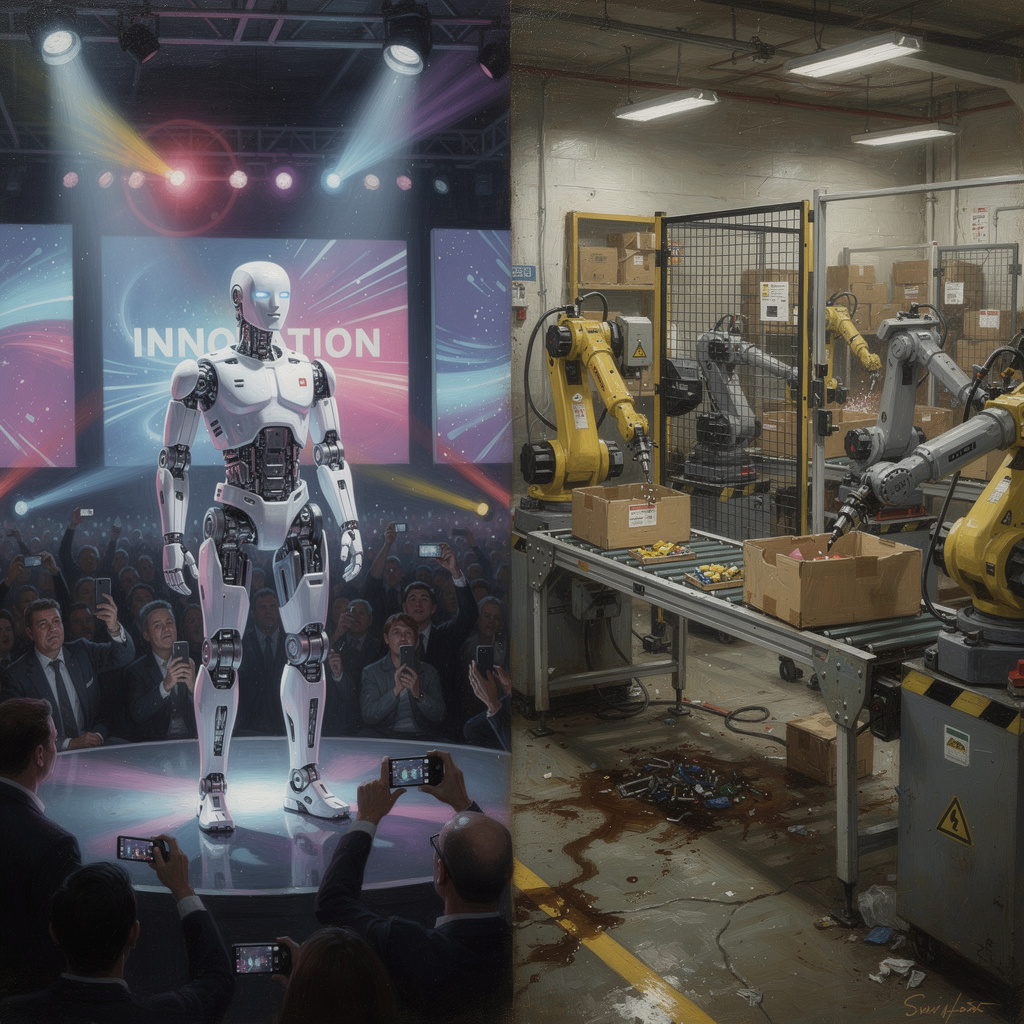
However, the gap between demonstration and deployment remains substantial. Humanoid servants will not become commonplace household companions for years, and this is where the narrative becomes more sobering.
The challenges are multifaceted. First, engineering hurdles persist: creating robots that reliably navigate unstructured environments, handle unexpected obstacles, and perform delicate tasks with human-like dexterity remains extraordinarily difficult. Second, economic barriers exist—producing humanoid robots at scale while maintaining affordability requires manufacturing innovations we haven't yet achieved. Third, regulatory and social questions loom: as these systems enter workplaces and homes, we'll need frameworks governing their use, safety standards, and employment implications.
Marketing agencies and commercial enterprises are already grappling with these implementation challenges firsthand. While companies showcased AI integration at CES, actual implementation of these tools faces significant hurdles in real-world business contexts. The gap between a polished demonstration and reliable, everyday operation in commercial settings is far wider than many realize.
This implementation reality check is crucial for understanding CES 2026. The event revealed genuine technological progress while exposing the difference between what's possible in controlled environments and what's practical in the messy real world.
The Hype Question: Is Physical AI Overstated?
One of the most interesting tensions at CES 2026 emerged from a counterintuitive observation: while humanoid robots captured headlines and imagination, some of the most genuinely useful technology showcased was far less glamorous. Practical, people-helping technology often outshined the more speculative promises of advanced humanoid systems.
This raises an important question that tech industry observers should grapple with: Are we investing in technologies that will actually improve human lives, or are we pursuing robotics because they're exciting and represent the cutting edge?
Consider the distinction carefully. A humanoid robot that can cook dinner is impressive. A system that diagnoses diseases earlier, manages medication for elderly patients, or optimizes energy consumption in homes might be more immediately valuable. The former captures imagination; the latter saves lives and improves daily existence.
That said, skepticism shouldn't swing too far in the opposite direction. Physical AI has genuine potential across manufacturing, logistics, healthcare, and dangerous environments where human workers face injury risks. The key is maintaining realistic expectations about timelines and capabilities while directing innovation toward problems that matter most.
What CES 2026 Tells Us About the AI Industry's Future
Four years after ChatGPT's launch transformed public perception of artificial intelligence, CES 2026 demonstrated that the industry hasn't abandoned software AI—it's expanding beyond it. The absence of AI bubble fears in media coverage suggests we've moved past the initial hype cycle into a more mature phase where both possibilities and limitations are better understood.
Nvidia's strategic focus on both humanoid robots and autonomous vehicles signals where major capital is flowing: toward embodied AI systems that can operate independently in complex environments. This convergence could accelerate innovation across automotive and service industries, with implications ranging from transportation to elder care.
The marketing and implementation challenges facing agencies adopting AI tools suggest that the broader economy remains in early adoption phases. This lag between technological capability and practical implementation is normal and healthy—it allows for thoughtful integration rather than reckless deployment.
Conclusion: The Long View on Physical AI
CES 2026 will likely be remembered as the moment when artificial intelligence truly went physical. The technology on display was impressive, the demonstrations were compelling, and the potential applications are genuinely exciting. But the most important takeaway is this: progress and hype can coexist. We can celebrate real advances in robotics while maintaining healthy skepticism about timelines and practical deployment.
The humanoid servants promised by the industry will arrive, but probably not as quickly as the most enthusiastic presentations suggested. In the meantime, the real value of physical AI will likely emerge in less glamorous applications—robots in factories, autonomous systems in logistics, AI-powered tools in healthcare. These won't make headlines the way marching humanoids do, but they'll reshape industries and improve lives.
The tech industry's pivot toward physical AI represents genuine innovation grounded in real technological progress. The challenge now is channeling that innovation toward problems that matter most, maintaining realistic expectations about implementation timelines, and ensuring that the rush to deploy these systems doesn't outpace our ability to do so responsibly. That balance—between ambition and realism, between spectacle and substance—will ultimately determine whether physical AI becomes a transformative technology or merely an impressive demonstration.