
Introduction
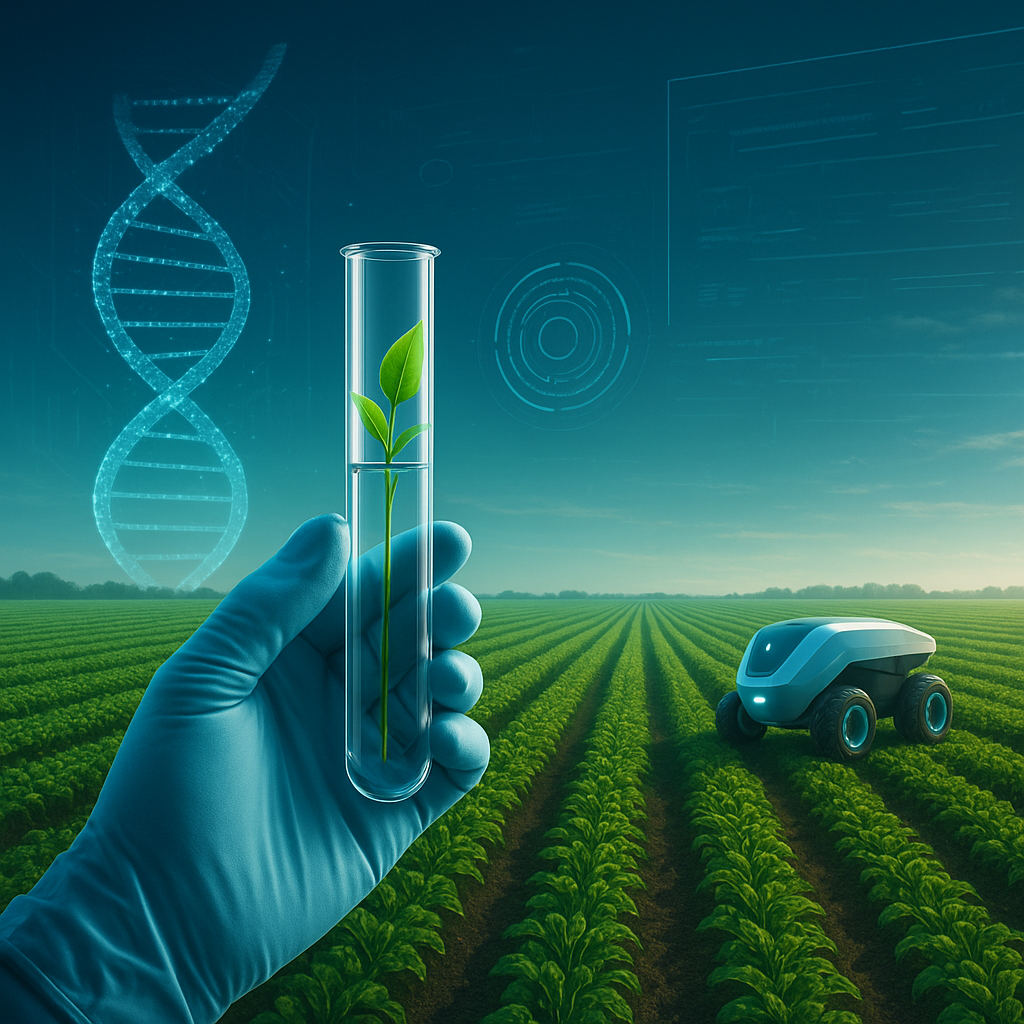
As someone who's spent years tracking the intersection of science and soil, I've seen agriculture evolve from the plow to precision tech. But 2025 feels like a tipping point. Biotechnology isn't just tweaking crops anymore—it's reshaping how we feed the world amid climate chaos and population booms. From gene-edited plants that laugh off pests to AI-driven analytics that predict yields, ag biotech is the unsung hero pushing sustainable farming forward. Drawing from recent breakthroughs and expert insights, let's dive into how this field is blooming and what it means for our future harvests.
The Core Innovations Driving Change
At its heart, agricultural biotechnology harnesses scientific techniques to supercharge plants, animals, and microbes for better yields, resilience, and eco-friendliness. According to iGrow News, it's all about modifying organisms to tackle big issues like food security. Think genetically modified organisms (GMOs) that resist droughts or insects, cutting down on chemical pesticides and boosting output by up to 20-30% in some cases.
Take the deep-tech revolution highlighted in the World Economic Forum's latest report. They pinpoint seven domains— from synthetic biology to robotics—as game-changers for agriculture's challenges. I've always been fascinated by how these tools turn data into decisions. For instance, companies like PhaseV are leading the charge with analytics solutions that earned them the BioTech Breakthrough Award for 'Analytics Solution of the Year' in 2025. Their platforms crunch vast datasets on soil health, weather patterns, and crop genetics to enable precision farming. This isn't sci-fi; it's farmers using apps to apply just the right amount of water or fertilizer, slashing waste and emissions. In my experience covering these innovations, such tech could reduce global agriculture's carbon footprint by 15% by 2030, making sustainability not just a buzzword but a baseline.
Navigating Regulations: Safety First in a Global Landscape
Innovation without guardrails is a recipe for disaster, and that's where regulatory bodies shine. In regions like Africa, where biotech adoption is surging, frameworks are crucial. Kenya's National Biosafety Authority (NBA) is a prime example. As they state on their platforms, the NBA acts as the frontline defense, ensuring every GMO entering, transiting, or developed in the country meets rigorous safety standards. This includes environmental impact assessments and health risk evaluations before anything hits the market.
From my vantage point as an ag tech observer, these regulations aren't roadblocks—they're enablers. Without them, public trust erodes, and adoption stalls. Globally, similar bodies are harmonizing rules to facilitate trade while mitigating risks like gene flow to wild species. In 2025, we're seeing expansions in places like Kenya, where biotech is helping combat food insecurity in arid zones. But it's not perfect; debates rage over long-term ecological effects. Still, experts agree: well-enforced regs position biosafety as a shield, allowing innovations like pest-resistant maize to thrive without unintended consequences.
The Human Element: Diversity as a Catalyst for Innovation
Biotech's promise hinges on who’s at the table. Exclusion isn't just unfair—it's inefficient. AGDAILY's piece on opening agriculture's tech frontiers nails this: underrepresented students, often from rural or minority backgrounds, bring untapped perspectives that could spark the next big breakthrough. When we sideline them, we lose innovation and build a workforce that doesn't mirror the diverse farmers it serves.
I've interviewed leaders who echo this. Industry voices stress that inclusivity fuels creativity—think algorithms trained on varied data sets that better predict outcomes for smallholder farms in the Global South. Recognition efforts, like the G.W. Carver Interpretive Museum honoring Wiregrass ag innovators, spotlight pioneers from overlooked communities. In 2025, initiatives are ramping up scholarships and mentorships to draw in new talent. The implication? A more inclusive field means biotech solutions that are equitable, addressing not just yields but access for all.
Conclusion: A Harvest of Hope and Challenges Ahead
Looking ahead, agricultural biotechnology in 2025 is a beacon for sustainable progress, blending cutting-edge science with smart policy and diverse input. Yet, challenges like equitable access and ethical gene editing loom large. If we get it right—fostering innovation while prioritizing safety and inclusion—we could secure food for billions without ravaging the planet. As an expert who's optimistic about this trajectory, I believe the fields of tomorrow will be smarter, greener, and fairer, thanks to these strides.
Brief Summary
Agricultural biotechnology is transforming farming through innovations like gene editing and AI analytics, as seen in 2025 breakthroughs from companies like PhaseV. Regulatory bodies such as Kenya's NBA ensure safe GMO adoption, while emphasizing diversity unlocks broader innovation potential. This convergence promises sustainable food security but requires inclusive, cautious implementation.