
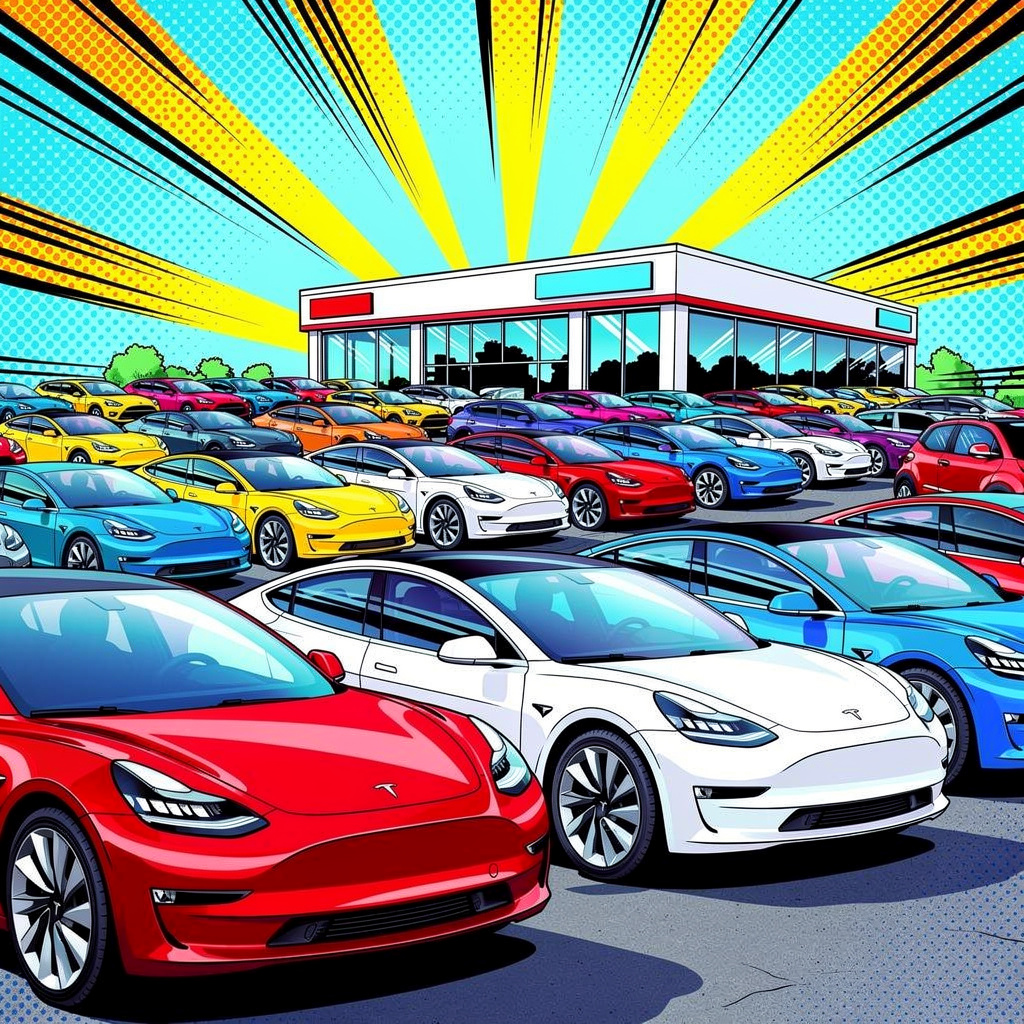
Spring 2026: The EV Market's Turning Point
If you've been waiting for the right time to go electric, mark your calendar for spring 2026. A confluence of market forces is about to create what industry analysts are calling the "year of the used EV"—and it promises to fundamentally reshape electric vehicle affordability for mainstream buyers.
For years, the EV market has been characterized by scarcity, premium pricing, and long waiting lists. But that era is ending. What's arriving instead is unprecedented opportunity, driven by a tidal wave of off-lease vehicles returning to dealers across the country. Understanding what's happening and why positions you to make one of the smartest automotive purchases of the decade.
The Lease Cycle Perfect Storm
The mechanics behind 2026's EV boom are straightforward but powerful. Three years ago, in 2023, the federal government's generous EV tax credits created a leasing frenzy. Buyers and dealerships capitalized on these incentives to push new electric vehicles into the market at unprecedented rates. The standard auto lease term is thirty-six months.
Now do the math: those 2023 leases expire in 2026, with the peak return period hitting in April. This creates what automotive analysts describe as a "boomerang effect" of used EVs flooding dealer lots simultaneously.
This isn't speculation—it's mechanical inevitability. Thousands of well-maintained, relatively low-mileage electric vehicles will return to the used market at the exact same moment. Supply, as any economist will tell you, dramatically influences price.
The Price Collapse Is Already Underway
Here's where it gets interesting: the market doesn't wait for April 2026. Used EV prices have already begun their descent, dropping 8.8% over the last year alone. Tesla models and Porsche Taycans, once commanding premium prices, now offer thousands in savings compared to their new counterparts.
But 2026 represents something different—a qualitative shift in affordability. We're not talking about marginal price reductions. We're discussing the potential transformation of electric vehicles from luxury goods into genuinely accessible transportation for middle-class buyers.
Consider the irony: the federal government eliminated the tax credit for new EV purchases, a policy many feared would cool the market. Instead, it's created an unexpected advantage for used EV buyers. Without the incentive propping up new vehicle prices, the used market becomes exponentially more attractive by comparison. You get the EV you want at a fraction of the cost, without waiting for new tax credits that may never materialize.
Market Context: A Booming Industry at an Inflection Point
Understanding 2026's significance requires stepping back to appreciate the broader EV market trajectory. Electric and plug-in hybrid vehicles now represent 21% of new car sales—a remarkable penetration rate that seemed impossible just five years ago. Record quarterly US EV sales continue to accelerate, signaling sustained consumer interest and manufacturer commitment.
This growth matters because it ensures supply diversity in the used market. You won't be choosing between a handful of EV models. You'll have genuine options—different brands, price points, body styles, and capabilities. The market is mature enough to offer choice, yet young enough that many returning lease vehicles still have substantial technological relevance and battery longevity.
Furthermore, the expanding EV ecosystem means better charging infrastructure, more repair options, and improved consumer familiarity. Buying a used EV in 2026 won't feel like pioneering a technology; it will feel like a normal, rational purchasing decision.
The Financial Case for Waiting
Let's talk numbers directly. If you're currently considering an EV purchase, the financial argument for patience is compelling.
A used EV in 2026 will likely cost thousands less than comparable models today—and tens of thousands less than new alternatives. You'll avoid the depreciation cliff that new car buyers face. You'll get a vehicle with proven real-world performance and reliability data. You'll potentially find certified pre-owned options with extended warranties, combining used-market pricing with new-car peace of mind.
For budget-conscious buyers, this represents a genuine inflection point. EVs will transition from aspirational purchases to practical economics. A family that couldn't justify a $55,000 EV might suddenly find $35,000 options compelling.
What This Means for the Broader Market
The implications extend beyond individual buyers. A flood of affordable used EVs will accelerate the transition away from internal combustion engines. It will challenge gas-powered vehicle pricing. It will force the industry to innovate at every price point, not just luxury segments.
There are even broader economic implications. Growing EV adoption is already impacting state budgets—Minnesota and other states are grappling with reduced gas tax revenue as electric vehicle sales rise. Used EV affordability will accelerate this transition, forcing policymakers to reconsider transportation infrastructure funding.
The Strategic Move: Timing Matters
If you're in the market for an EV, the question becomes: should you buy now or wait for 2026?
For most buyers, waiting makes financial sense. Yes, you could purchase today and enjoy EV benefits immediately. But if you can delay six to twelve months, the price advantage is likely to be substantial—potentially $5,000 to $15,000 or more depending on the model.
The only exception: if you have specific needs that can't wait, or if you heavily value the latest technology and longest potential ownership horizon. For everyone else, patience will be rewarded.
Conclusion: The EV Market's Turning Point
2026 represents more than a buying opportunity; it marks the moment when electric vehicles transition from niche premium products to mainstream affordable transportation. The convergence of expiring leases, declining used prices, and market maturation creates conditions that may not repeat for years.
This is the year when your neighbor—not just the early adopter down the street—can realistically consider an EV as their primary vehicle. This is when electric transportation becomes a financial no-brainer rather than an environmental statement. This is when the automotive industry's fundamental transformation accelerates beyond speculation into tangible, affordable reality.
If you've been on the fence about electric vehicles, 2026 is your answer. The time to buy isn't now—it's soon. Very soon.