
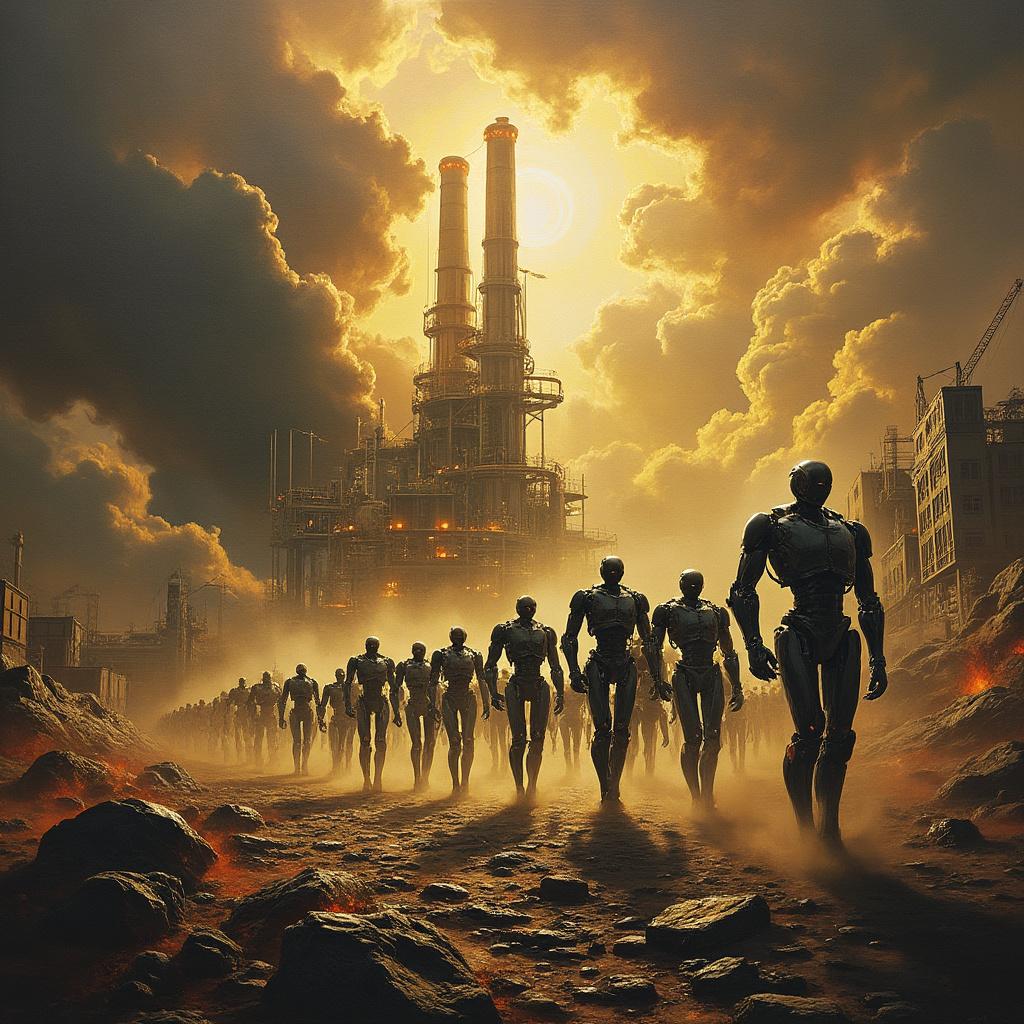
We're witnessing a pivotal moment in robotics history. While most attention focused on ChatGPT and AI chatbots, Silicon Valley has been quietly developing humanoid robots not just for factories, but potentially for battlefields. San Francisco-based startup Foundation has announced plans to produce 50,000 humanoid robots named Phantom by the end of 2027, targeting both commercial and defense applications. This isn't science fiction—it's corporate strategy unfolding now.
The implications are staggering, reshaping labor markets, military capabilities, and the nature of human work. Foundation faces fierce competition from tech giants like Elon Musk's Tesla in a market that could reach trillions of dollars.
The Scale of Ambition: Numbers That Should Make You Pause
Foundation's target of 50,000 units by 2027 seems ambitious—until compared to Tesla's plans. Elon Musk has stated Tesla aims to produce thousands of humanoid robots by 2025, scaling to 500,000 units annually by 2027. As The Atlantic notes, this "isn't as absurd as it sounds," given Tesla's manufacturing expertise and Musk's history of bold timelines.
These figures dwarf current production. Omdia projects global humanoid robotics shipments to exceed 10,000 by 2027 and reach 38,000 by 2030, yet Tesla alone plans 500,000 annually—a 13-fold increase over Omdia's full market forecast. This suggests either groundbreaking innovation or significant challenges ahead.
Competition spans beyond Silicon Valley. Chinese firms are pushing aggressively, fueling what TechBuzz China calls a "structural battle" for dominance. Goldman Sachs offers even more optimistic market estimates, spurring investment and innovation amid a rush to lead before regulations take hold.
The Defense Angle: Robots on the Battlefield
Foundation's explicit pursuit of defense contracts sets it apart from rivals like Tesla and Boston Dynamics, which emphasize commercial uses. NewsNation reports on this trend, questioning: "Are humanoid robots the future of warfare?" The answer increasingly seems yes.
AI-powered robots offer tireless soldiers that follow orders without fear, ideal for high-risk missions. Yet they could ignite an arms race akin to Cold War nuclear proliferation. Military robots face fewer regulations than civilian tech like autonomous vehicles, risking rapid, untested deployment in combat before global norms emerge.
Labor Market Upheaval: 50,000 Robots, Millions of Jobs at Risk
Commercially, deploying 50,000 versatile humanoid robots by 2027 could disrupt labor markets profoundly. Unlike single-task machines, these humanoids handle diverse roles in human environments—from warehouse picking and manufacturing assembly to construction and hospitality.
Foundation's Phantom is pitched for such versatility. While robots could ease shortages from aging populations in places like Japan and Europe, their rapid rollout risks overwhelming adaptation, fueling unemployment. ABC News covered Silicon Valley demos where excitement met skepticism over practicality and economics.
The Competitive Landscape: Who Will Dominate?
This race will define the decade. Foundation's defense focus could secure military contracts; Tesla leverages manufacturing scale and brand; Chinese players offer cost advantages and state backing. Victory hinges on speed, contracts, and standards—echoing smartphones, where scalability trumped early leads.
As dual-use tech, the same robots serve commerce, defense, or worse, posing regulatory hurdles governments are just addressing.
Conclusion: Preparing for a Transformed Future
AI, manufacturing advances, and military interest are fast-tracking humanoid robots. Foundation's 50,000-unit goal, Tesla's 500,000 annual target, and combat robot emergence reflect serious commitments with deep funding.
Beyond tech, expect military shifts, labor shocks, and adaptation challenges. These robots arrive in years, not decades, leaving society unprepared. The key questions—governance, job displacement management, responsible military use—demand urgent action from policymakers, leaders, and citizens. This transition moves at startup pace.