Introduction
As 2026 began, American businesses faced a critical reality: the privacy landscape became substantially more complex. Three new comprehensive state privacy laws—in Indiana, Kentucky, and Rhode Island—went into effect on January 1, 2026, bringing the total number of states with comprehensive consumer privacy legislation to 20. This expansion represents a pivotal moment for corporate compliance strategies and underscores the ongoing fragmentation created by the absence of federal privacy legislation.
For organizations operating across state lines, the implications are profound. What was already a complex patchwork of varying requirements has become even more intricate, demanding immediate attention from legal, compliance, and technology teams.
The Expanding Privacy Landscape: 20 States and Counting
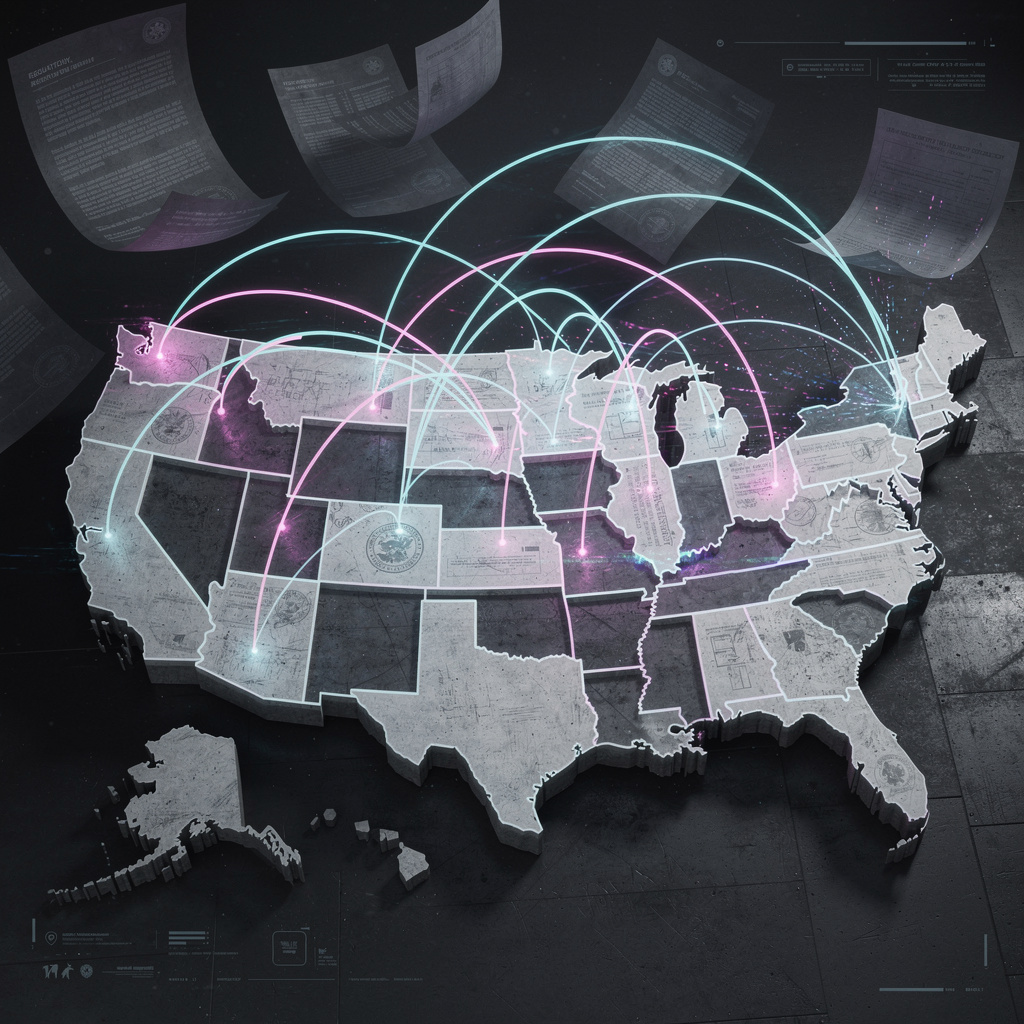
The addition of Indiana, Kentucky, and Rhode Island to the privacy law roster reflects a fundamental trend in American regulation: state-level privacy legislation continues to accelerate in the absence of comprehensive federal standards. With 20 states now possessing comprehensive consumer privacy laws, roughly 40 percent of the nation has enacted such protections—a significant portion of the U.S. market that no business with meaningful consumer reach can afford to ignore.
Each of these 20 states brings distinct requirements. Some mandate opt-out rights, allowing consumers to prevent the sale or sharing of their personal data. Others emphasize data minimization—requiring businesses to collect only the information necessary for specified purposes. Enforcement mechanisms vary considerably, with some states empowering state attorneys general while others enable private rights of action, creating potential litigation exposure for non-compliance.
The newest entrants—Indiana, Kentucky, and Rhode Island—follow patterns established by earlier adopters like California, Virginia, and Colorado, though each includes distinctive features. This combination of consistency and variation creates a compliance challenge that demands sophisticated legal and technical infrastructure.
Beyond Privacy: The Broader Wave of 2026 Regulations
What makes the 2026 regulatory environment particularly significant is that privacy laws represent only one component of a much broader wave of state-level legislation. Throughout 2026, states have enacted hundreds of new laws addressing artificial intelligence, climate policy, healthcare regulations, and consumer protection.
This broader context carries substantial implications for businesses. The convergence of privacy laws with AI regulations creates compound compliance obligations. A company implementing AI systems for customer analytics must now navigate not only traditional privacy requirements but also emerging AI-specific regulations that several states have begun to enact. Similarly, healthcare organizations face simultaneous compliance demands from privacy laws, healthcare-specific regulations, and potentially AI governance requirements.
This legislative expansion reflects a fundamental shift in American governance: in the absence of federal leadership on emerging technologies and consumer protection, states are filling the void with their own regulatory frameworks. For multinational corporations, this creates a scenario where American operations must comply with a more complex regulatory matrix than many of their international counterparts face in Europe, where the General Data Protection Regulation provides a single, unified standard.
The Compliance Challenge: What Businesses Must Do Now
The 20 state privacy laws are driving increased focus on cybersecurity and compliance efforts throughout 2026. This is becoming a business imperative that affects operational efficiency, risk management, and competitive positioning.
For organizations, the immediate priorities are clear:
Conduct a Comprehensive Audit: Businesses must map their operations against all 20 state privacy laws to identify which jurisdictions' requirements apply to their customer base and operations. This requires understanding not just the states where you actively market but also where your customers reside.
Implement Flexible Compliance Infrastructure: Rather than building separate compliance systems for each state, forward-thinking organizations are developing modular compliance frameworks that can adapt to varying requirements. This might involve creating a baseline of strong privacy practices that exceed most state requirements, then adding state-specific features as needed.
Prepare for Litigation: Privacy litigation is ramping up alongside new laws. Organizations should expect increased enforcement activity and potentially private litigation in states that enable such actions. Robust documentation of compliance efforts is essential.
Monitor Legislative Developments: Stalled privacy bills from previous years may resurface in 2026 legislative sessions, potentially adding additional states to the privacy law roster. Maintaining awareness of pending legislation is critical for anticipating future compliance obligations.
The Unique Obligations and Material Risks
While many of the 20 state privacy laws share common elements, several states have enacted unique obligations that create material compliance risks. California's laws, for instance, continue to evolve with additional requirements and enforcement mechanisms. Other states have incorporated specific provisions around sensitive data categories, children's privacy, or algorithmic transparency.
These unique obligations represent potential liability hot spots. A company that has achieved compliance with 19 state privacy laws might still face significant exposure if it overlooks a distinctive requirement in one jurisdiction. This underscores why generic compliance approaches are increasingly untenable—successful privacy compliance in 2026 requires genuine legal expertise and state-specific knowledge.
Moreover, the convergence of privacy laws with other regulations creates compounding risks. A data breach that triggers privacy law notification requirements might also implicate healthcare laws, AI regulations, or other state-specific statutes. The reputational and financial consequences of such incidents have only increased.
Conclusion: The Path Forward
As 2026 progresses, the reality is clear: American businesses operate in a privacy law environment that is simultaneously becoming more standardized in its core principles and more fragmented in its specific requirements. The addition of three new comprehensive privacy laws brings the total to 20 states, affecting hundreds of millions of Americans and creating a regulatory environment that demands serious attention from organizations of all sizes.
The absence of federal privacy legislation means this fragmentation will likely continue. While stalled bills at the federal level may eventually progress, organizations cannot afford to wait for federal action. Instead, they must treat privacy compliance as a core business function—one that requires ongoing investment, legal expertise, and technological sophistication.
For forward-thinking organizations, this challenge also represents an opportunity. Companies that build robust, state-of-the-art privacy compliance infrastructure now will find themselves better positioned competitively as regulations continue to evolve. They'll also build stronger customer trust and reduce their litigation exposure—increasingly valuable assets in a privacy-conscious market.
The new year has brought new rules and clarity about the direction of American privacy law. That direction is unmistakable: toward greater protection, broader coverage, and more sophisticated compliance requirements. Businesses that recognize this reality and act decisively will navigate 2026 successfully. Those that delay or minimize the importance of these obligations do so at considerable risk.