
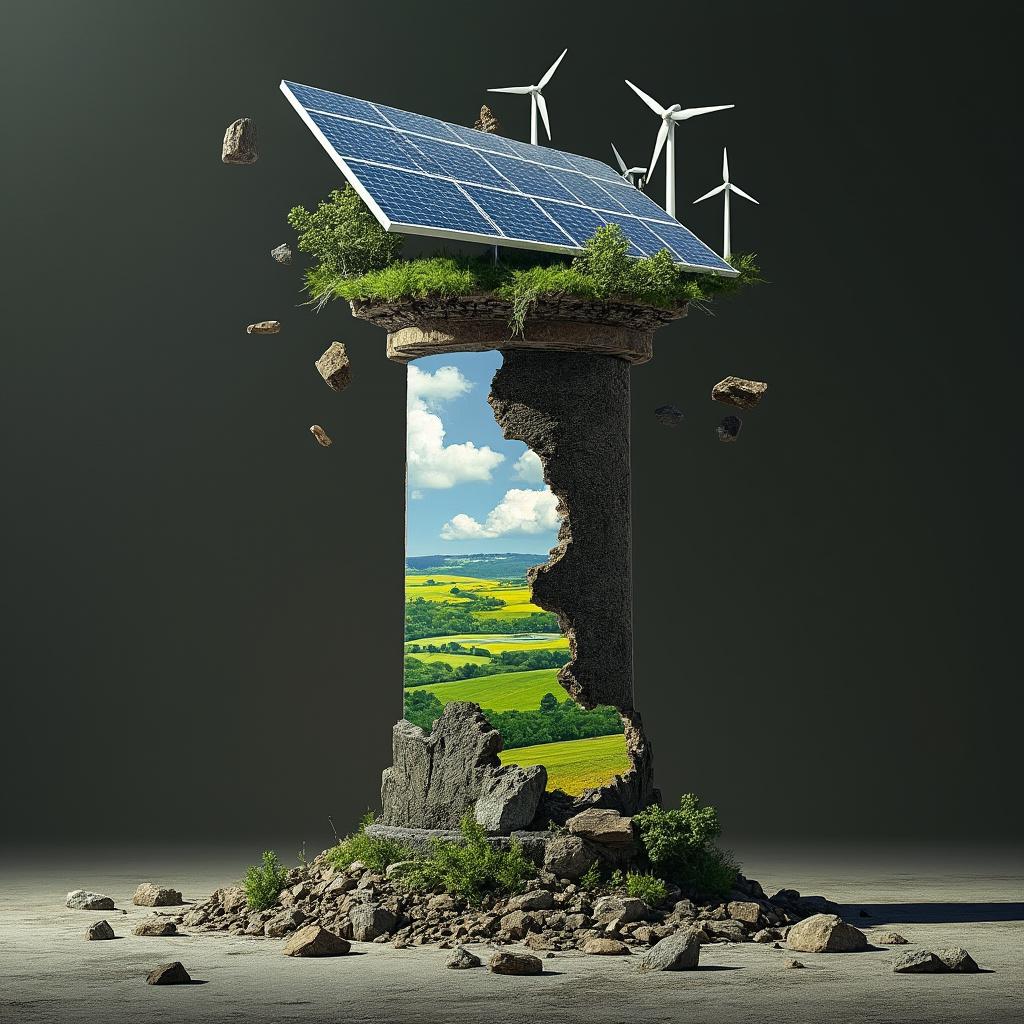
Introduction
The Department of Energy has long been a focal point for debates about America's energy future. Throughout different administrations, the DOE's organizational structure and priorities have reflected broader political philosophies about the role of renewable energy, fossil fuels, and nuclear power in the nation's energy portfolio. Understanding these dynamics requires examining both historical precedent and the potential implications of different policy approaches.
Federal energy policy has traditionally oscillated between administrations, with Democratic leadership typically emphasizing renewable energy development and climate mitigation, while Republican administrations have often prioritized energy independence through expanded fossil fuel production and nuclear energy development. These shifts affect not just bureaucratic organization but also funding priorities, research directions, and America's position in global climate discussions.
Historical Context of DOE Energy Offices
The Office of Energy Efficiency and Renewable Energy (EERE) was established in the 1970s during the energy crisis era, tasked with reducing America's dependence on foreign oil through efficiency improvements and alternative energy development. Over decades, it has funded research into solar, wind, geothermal, and energy storage technologies, as well as building efficiency programs.
Different administrations have approached EERE with varying levels of support. During periods of Democratic leadership, the office has typically seen budget increases and expanded mandates. Republican administrations have sometimes proposed budget reductions, though actual funding has often been maintained or modestly increased due to bipartisan congressional support for energy research.
The Office of Clean Energy Demonstrations represents a more recent creation, focused on bridging the gap between laboratory research and commercial deployment of emerging technologies. Such demonstration projects have historically enjoyed support across party lines when they promise job creation and technological leadership.
The Ideological Divide in Energy Policy
The fundamental tension in U.S. energy policy centers on competing visions of energy security and economic development. One perspective emphasizes rapid transition to renewable energy sources to address climate change, reduce pollution, and position America as a leader in clean technology markets. This approach views federal support for renewable energy as essential investment in future competitiveness.
The alternative perspective prioritizes energy abundance through expanded domestic fossil fuel production, viewing this as essential for economic growth, job creation in traditional energy sectors, and geopolitical leverage. Proponents argue that premature transition away from reliable fossil fuels risks grid stability and economic disruption, while nuclear power offers a proven low-carbon alternative to intermittent renewables.
These competing visions manifest in organizational priorities. Restructuring that emphasizes fossil fuel development and nuclear power while reducing renewable energy offices signals a philosophical shift toward the latter approach. Such changes typically involve:
- Reallocation of research funding from renewable technologies to fossil fuel efficiency and nuclear advancement
- Reorganization of staff and program priorities
- Changes in grant-making criteria and project selection
- Shifts in international engagement on climate and energy issues
Potential Implications of Policy Shifts
For Renewable Energy Development:
Reduced federal support for renewable energy research and deployment could slow innovation in solar, wind, and storage technologies. However, market forces have increasingly driven renewable adoption independent of federal policy, as costs have declined dramatically. State-level policies in places like California, New York, and Texas continue to drive renewable deployment regardless of federal priorities.
For Climate Goals:
The United States has made various international commitments regarding emissions reductions and clean energy deployment. Significant shifts in federal energy policy could complicate achievement of these goals and affect U.S. credibility in international climate negotiations. However, the distributed nature of American energy systems means state, local, and private sector actions can partially compensate for federal policy changes.
For Energy Security:
Different policy approaches offer distinct pathways to energy security. Expanded domestic fossil fuel production provides near-term energy abundance and export potential. Accelerated renewable deployment reduces fuel price volatility and import dependence over the long term. Nuclear power offers reliable baseload generation with low emissions but faces challenges with costs and waste management.
For Economic Development:
Energy policy choices create winners and losers across different economic sectors and regions. Emphasis on fossil fuels benefits traditional energy-producing states and existing energy infrastructure. Renewable energy focus advantages manufacturing states and creates opportunities in emerging technology sectors. The transition period between energy systems presents both disruption risks and innovation opportunities.
Looking Forward: Resilience in Energy Systems
Regardless of federal policy direction, several factors will continue shaping America's energy landscape:
Market Economics: Renewable energy costs have declined to the point where solar and wind are often the cheapest new electricity sources, independent of subsidies. This economic reality will drive continued deployment even without federal support.
State and Local Action: Many states have enacted their own clean energy standards and incentives. These policies create momentum that persists through federal policy changes.
Private Sector Investment: Major corporations have made substantial commitments to renewable energy for both cost savings and corporate responsibility reasons. These investments reflect long-term business strategies rather than short-term policy considerations.
Technological Innovation: Energy technology development occurs globally, with major investments in Asia and Europe ensuring continued advancement regardless of U.S. federal policy.
Grid Modernization: The need for grid upgrades to improve reliability and integrate diverse energy sources remains constant across different policy approaches.
Conclusion: Understanding Policy Complexity
Energy policy involves complex tradeoffs between competing priorities: climate mitigation, economic development, energy security, technological leadership, and regional equity. Different administrations emphasize different aspects of this multifaceted challenge, leading to organizational and funding shifts within agencies like the DOE.
Rather than viewing these changes as purely positive or negative, informed analysis requires understanding the specific tradeoffs involved, the resilience of energy systems to policy changes, and the multiple levels of governance affecting energy outcomes. Federal policy remains important but exists within a broader ecosystem of state policies, market forces, technological trends, and international dynamics.
The ultimate trajectory of American energy systems will emerge from the interaction of all these factors, not from federal policy alone. Vigilant monitoring of implementation details, honest assessment of outcomes, and willingness to adjust approaches based on evidence remain essential regardless of which policy direction prevails.
Brief Summary
Federal energy policy reflects competing visions of America's energy future, with different administrations emphasizing either renewable energy development or traditional energy sources. While organizational changes at the DOE signal policy priorities, the actual trajectory of U.S. energy systems depends on multiple factors including market economics, state policies, and technological trends that operate independently of federal direction.