
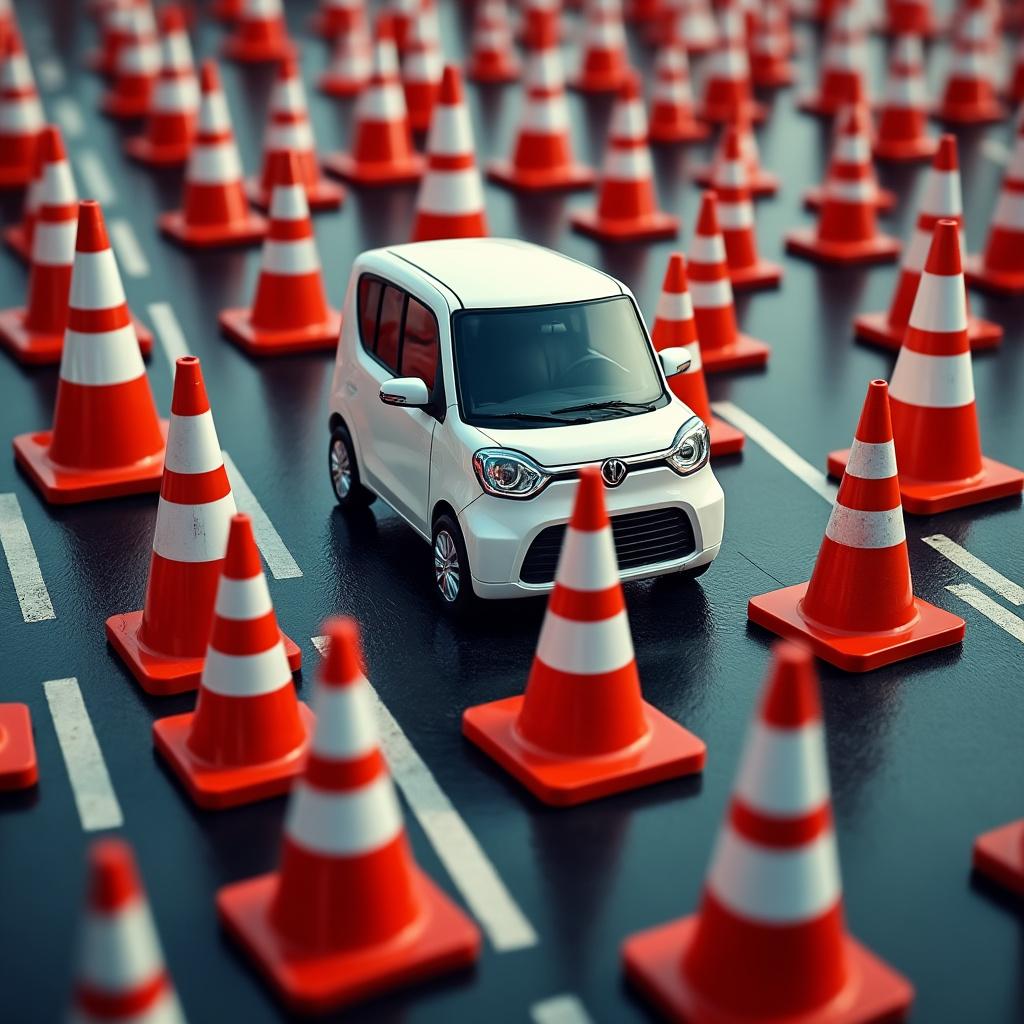
As a veteran automotive journalist with over two decades covering U.S. regulatory battles and global vehicle trends, I've seen bold policy promises crash into reality more times than I can count. President Trump's recent enthusiasm for Japan's 'cute' Kei cars—those pint-sized wonders with engines under 660cc and strict dimensional limits—has sparked buzz. During a White House briefing, he declared the Department of Transportation (DOT) had 'cleared the deck' for these microcars and trucks to be built and sold in America. But is this a game-changer for affordable, efficient wheels, or just more hype? Let's dissect the facts.
What Are Kei Cars, and Why the Fandom?
Kei vehicles, short for keijidōsha (light vehicles), dominate Japan's urban streets for their unmatched efficiency, affordability, and nimble parking. Think tiny trucks like the Suzuki Carry or bubble-like passenger cars such as the Honda N-Box—capped at 3.4 meters long, 1.48 meters wide, and 2 meters tall, with engines no larger than 660cc. They're cheap to run, averaging 50+ mpg, and beloved in Asia for dodging congestion and taxes.
Trump's praise tapped into this allure, calling them 'cute' and signaling a shift amid his auto industry revival push. A DOT spokesperson confirmed via Motor1.com that manufacturers must still certify compliance, but the administration's nod hints at potential exemptions. Social media erupts with enthusiast dreams of backyard Kei trucks, yet experts like me know the devil's in the details.
Trump's Pitch: Domestic Production Over Imports
The twist? Reports suggest Trump stipulated U.S. manufacturing for Kei cars. This aligns with his 'America First' ethos, potentially creating jobs but inflating costs. No more cheap $5,000 imports; we're talking re-engineered models built in Michigan or Ohio. The Verge highlighted Trump's invite for these 'cute' Kei trucks, but skeptics point to no formal rule changes yet.
The Regulatory Wall: Why It's Unlikely
Here's where optimism hits FMVSS—Federal Motor Vehicle Safety Standards. U.S. rules demand robust crash protection, like side-impact beams and airbags, which Kei designs lack due to their lightweight frames. Emissions? California's CARB and EPA mandates require advanced catalysts unfit for tiny engines. Road & Track calls it a 'regulatory nightmare'; Car and Driver urges 'don't hold your breath'; and The New York Times flatly states 'not so fast,' citing logistics like supply chains and redesign expenses.
In my experience, exemptions are rare—think golf carts in limited zones, not highways. Manufacturers like Suzuki or Daihatsu would need billions in retooling, unlikely without massive incentives.
Broader Impacts: Efficiency vs. America's Big-Truck Bias
If realized, Kei cars could slash fuel use and emissions, countering Trump's past favoritism for massive pickups. Urban millennials might embrace them for city commuting, boosting the economy amid high gas prices. Yet, safety fears loom: these featherweights crumple against F-150s.
Conclusion: Hype Meets Hard Reality
Trump's Kei car vision energizes debate on small-vehicle viability in a supersized U.S. market, but without seismic regulatory overhauls, it'll remain a pipe dream. Watch for 2026 FMVSS tweaks or manufacturer filings—the real test of intent. For now, it's a reminder: policy passion rarely trumps engineering physics.
Word count: 512