
When Luxury Licensing Meets Cybercriminal Threats
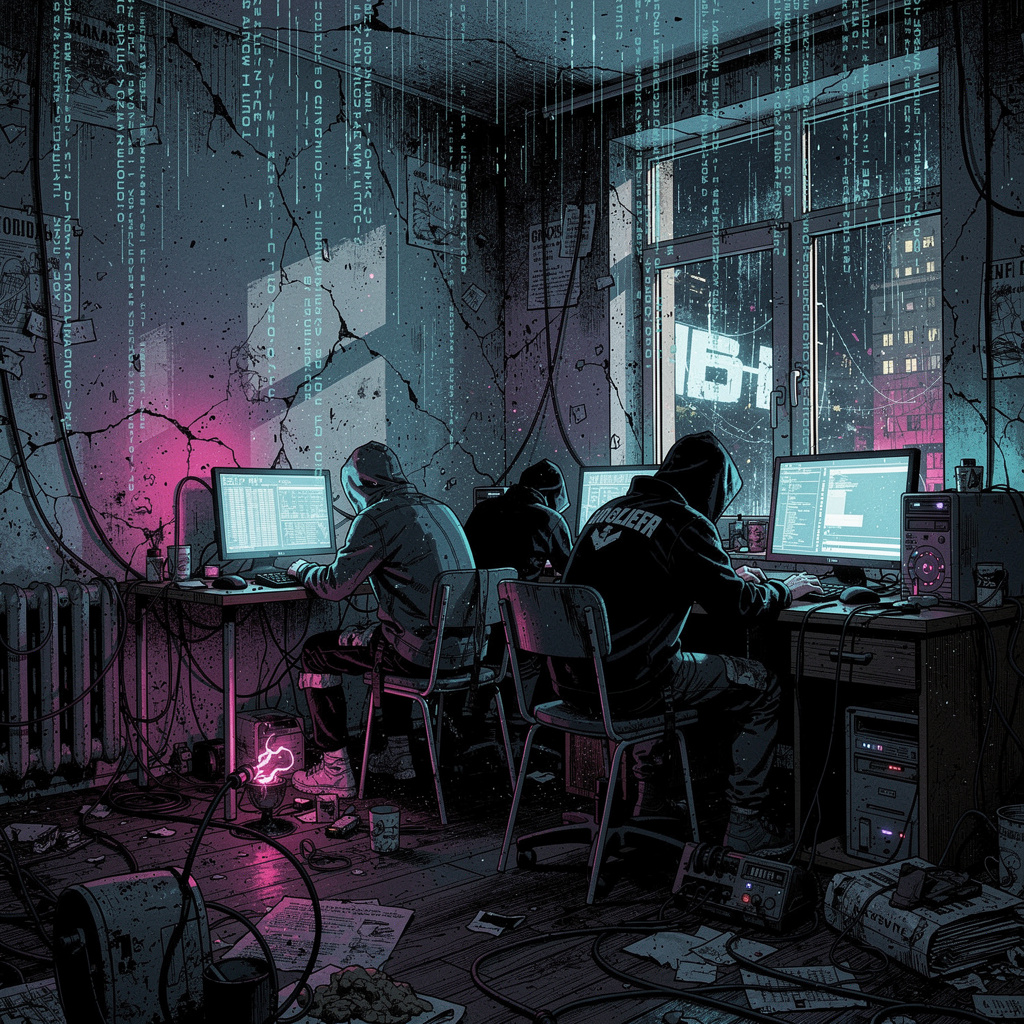
In an increasingly interconnected global economy, even companies operating in the fashion and retail sectors find themselves vulnerable to sophisticated cyber threats. Recently, Esquire Brands—the licensee responsible for producing DKNY and Sam Edelman children's footwear—fell victim to a ransomware attack that underscores a troubling trend: the rising sophistication and reach of Russia-linked cybercriminal groups. The Play ransomware gang has threatened to expose sensitive payroll and client data on January 3rd, marking yet another high-profile incident in what has become an epidemic of double-extortion attacks targeting American businesses.
This incident isn't merely a corporate security failure—it's a window into how geopolitical tensions, organized cybercriminal networks, and supply chain vulnerabilities converge to create unprecedented risks for businesses across all sectors.
Understanding the Play Ransomware Gang
The Play ransomware group represents a particularly concerning evolution in cybercriminal operations. Active since 2022, this gang has rapidly established itself as a prominent threat actor in the global ransomware landscape. What distinguishes Play from other ransomware operations is its apparent organizational sophistication and the evidence linking its activities to Russian-speaking actors or infrastructure.
The group employs a double-extortion strategy that has become increasingly common among sophisticated ransomware operations. Rather than simply encrypting a victim's data and demanding payment for decryption keys, Play steals sensitive information before deploying encryption. This creates a two-pronged extortion scheme: victims face both the threat of operational shutdown and the exposure of confidential data. In Esquire Brands' case, this means the threat of exposing payroll information—potentially including employee salaries, social security numbers, and banking details—along with client data that could include customer contact information and purchase histories.
The Russia-linked attribution, while not officially confirmed by government agencies, aligns with broader patterns of Russian involvement in global ransomware campaigns. Historical precedent suggests that many of the most sophisticated and damaging ransomware operations either originate from Russian territory or operate with tacit tolerance from Russian authorities. This geopolitical dimension adds another layer of complexity to what might otherwise be a straightforward cybercrime incident.
The Broader Context: A Pattern of Russian Cyber Operations
The Esquire Brands attack doesn't exist in isolation. Rather, it represents part of a larger, well-documented pattern of Russian-linked cyber operations targeting Western institutions and businesses. From the 2016 Democratic National Committee email hack to ongoing attacks on Ukrainian infrastructure, Russian actors have demonstrated both technical proficiency and strategic intent in conducting large-scale cyber operations.
Historical analyses of Russian hacking campaigns reveal a consistent methodology: these actors excel at email-based attacks, data exfiltration, and maintaining persistent access to target systems. The tactics employed by Play—gaining access to networks, stealing data, and then deploying ransomware—align perfectly with this established pattern. The proficiency demonstrated by Russian-linked groups suggests either direct state involvement or, more likely, state tolerance of criminal operations that serve broader geopolitical interests.
Moreover, the timing of such attacks often correlates with periods of heightened geopolitical tension. With ongoing U.S. sanctions against Russian cyber groups and escalating tensions in Eastern Europe, the targeting of American companies by Russia-linked actors may represent a form of asymmetric warfare—inflicting economic damage without crossing the threshold of direct military conflict.
Why Fashion and Licensing Make Attractive Targets
One might initially wonder why a ransomware gang would target a footwear manufacturer. The answer reveals important insights about modern supply chain vulnerabilities. Esquire Brands, as a licensee producing goods under established brand names like DKNY and Sam Edelman, operates at an intersection of multiple valuable data streams.
First, the company maintains extensive payroll information—not just for its own employees, but potentially for contractors and suppliers across its manufacturing and distribution network. Second, it holds client data encompassing both retail partners and potentially end consumers. Third, as a licensed manufacturer, it likely maintains proprietary information about production processes, quality standards, and supply chain relationships that could be valuable to competitors.
Moreover, companies in the fashion and retail sectors often present softer targets than technology or financial institutions that have invested heavily in cybersecurity infrastructure. The licensing model, while commercially advantageous, can create security blind spots where smaller operational companies lack the resources to implement enterprise-grade security measures.
The Immediate and Long-Term Implications
For Esquire Brands, the implications are severe and multifaceted. Beyond the immediate financial extortion demand, the company faces potential regulatory fines under data protection laws like GDPR and state-level privacy regulations. Employees whose payroll information is exposed face identity theft risks, potentially leading to class-action lawsuits. Client relationships may be damaged if customer data is compromised, particularly if that information includes minors' details given the company's focus on children's footwear.
Beyond this single incident, the attack signals a troubling trend for American businesses: no company is too small or too specialized to escape the attention of sophisticated ransomware operations. The fashion and retail sectors, which have historically received less cybersecurity attention than financial or healthcare industries, are increasingly attractive targets.
For the broader business community, this incident reinforces the critical importance of supply chain security. Companies licensing their brands to manufacturers must ensure those manufacturers maintain adequate cybersecurity measures. A breach at a licensee can damage the brand reputation of the licensor, creating incentives for stronger oversight and security requirements throughout the supply chain.
What Companies Should Learn
This incident offers several critical lessons for business leaders. First, ransomware is not a question of if but when—organizations must assume they will face an attack and plan accordingly. Second, the traditional backup and recovery approach to ransomware defense is insufficient when attackers employ data exfiltration tactics. Companies must focus on preventing initial access through network segmentation, access controls, and threat detection.
Third, the Russia-linked nature of this attack underscores that cybersecurity is increasingly intertwined with geopolitical considerations. Businesses operating internationally must understand that their digital infrastructure may be targeted not just by profit-motivated criminals but by state-sponsored or state-tolerated actors pursuing strategic objectives.
Conclusion: The New Normal of Cyber Risk
The Play ransomware gang's attack on Esquire Brands represents more than a single corporate security incident. It exemplifies the convergence of sophisticated cybercriminal organizations, geopolitical tensions, and supply chain vulnerabilities that characterize the modern threat landscape. As Russia-linked actors continue to demonstrate both technical capability and willingness to target American businesses, organizations across all sectors must recognize that cyber risk is now a fundamental business risk requiring board-level attention and substantial investment.
The fashion and retail industries, long overlooked by cybersecurity experts focused on more traditionally sensitive sectors, are increasingly in the crosshairs. The January 3rd deadline for the threatened data leak serves as a reminder that cyber threats operate on their own timeline, indifferent to corporate readiness or public awareness. As we move forward, businesses must move beyond viewing cybersecurity as a technical problem and recognize it as a strategic imperative essential to long-term viability and stakeholder protection.