Introduction
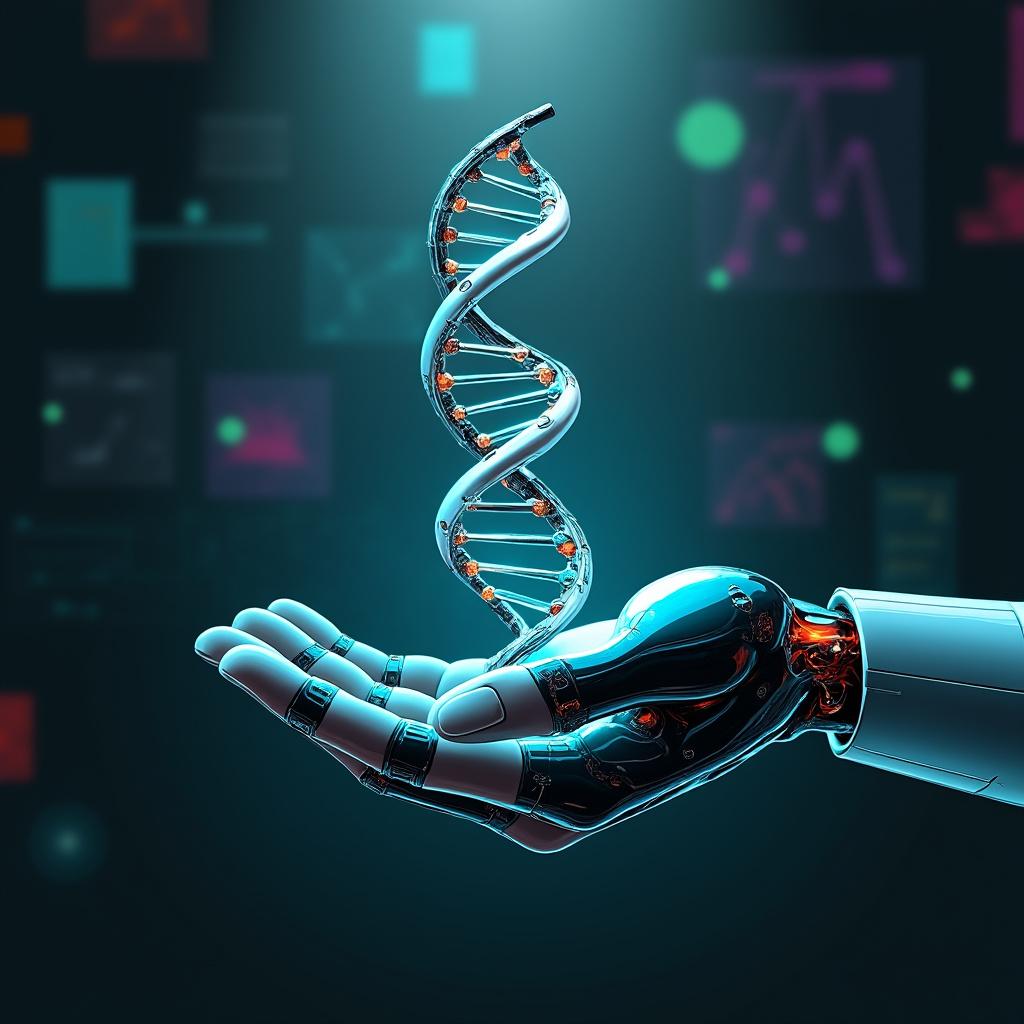
Imagine a world where AI doesn't replace doctors but elevates them, turning complex diagnostics into a symphony of human intuition and machine precision. A recent Nature article poses the provocative question: Does human-AI teaming in healthcare truly make 1 + 1 > 2? As someone who has studied these dynamics extensively, I've analyzed the emerging research. The answer is a resounding yes—but only under the right conditions. This piece dives into the science, challenges, and real-world implications.
The Power of Complementary Strengths
Human-AI teaming (HAT) thrives on synergy: humans bring creativity, empathy, and contextual judgment, while AI delivers unmatched computational power for pattern recognition in vast datasets. In diagnostics and critical care, AI excels at sifting through medical imaging or patient vitals, spotting anomalies humans might miss amid fatigue. Yet AI's 'black box' nature—opaque algorithms yielding unexplained outputs—poses a significant hurdle. Research highlights how this opacity erodes trust, a cornerstone of effective collaboration. When AI explanations are absent, clinicians override suggestions far more often, diluting potential gains.
The Critical Role of Teaming Modes
Not all collaborations are equal. Empirical studies emphasize that teaming mode determines success. Simultaneous review—where clinicians assess cases alongside AI outputs in real-time—outperforms sequential (AI first, then human) or independent modes. Experiments show simultaneous HAT boosting diagnostic accuracy by up to 20% in radiology tasks. Why? It fosters shared cognition, allowing humans to probe AI reasoning on the fly. In contrast, asynchronous modes fragment attention, mimicking disjointed teamwork.
Challenges in Trust and Team Dynamics
Healthcare's high-stakes environment amplifies HAT hurdles. Human factors research reveals struggles with trust calibration: over-reliance on AI leads to automation complacency, while under-trust wastes its strengths. In critical care, studies note that only a small fraction of experts favor full AI autonomy for tasks like data analysis; most advocate hybrid approaches. Reviews emphasize the need for training to develop shared mental models between humans and AI systems. Poor onboarding and integration can lead to increased errors, proving that team dynamics must evolve alongside technology.
Conclusion: Paving the Way Forward
Human-AI teaming isn't hype; it's a paradigm shift with profound implications for scalability and patient outcomes. Future success hinges on explainable AI, optimized interfaces, and clinician training. As we refine these elements, expect hybrid models to redefine healthcare, handling data deluges while preserving the human essence of care. The question isn't if 1 + 1 > 2, but how we ensure it always does.