
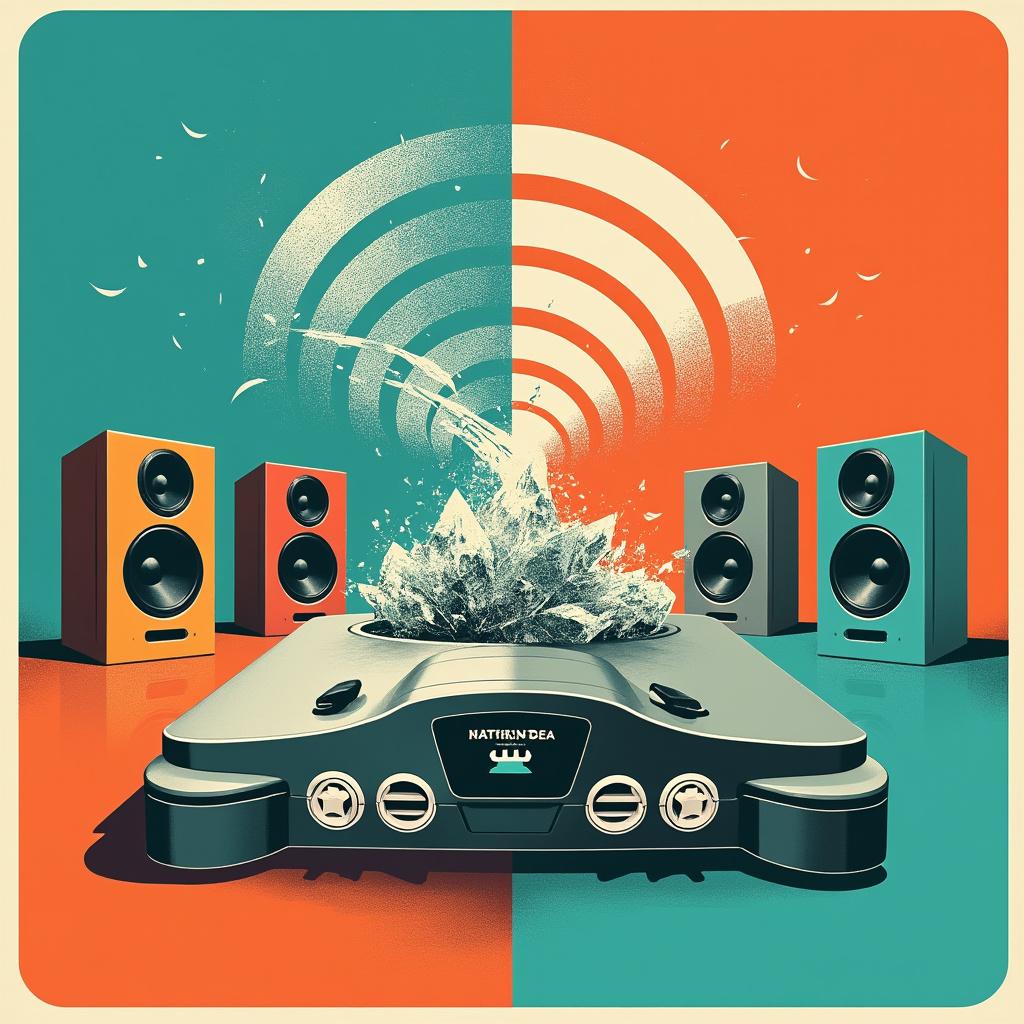
As we close out 2025, two seemingly divergent trends are capturing the attention of tech enthusiasts and industry watchers alike: the resurgence of high-fidelity audio equipment and the sophisticated revival of retro gaming hardware. This week's standout announcements—KEF's refreshed LSX II active speaker system and Analogue's colorful 4K N64 console—aren't just isolated product launches. They represent a broader shift in how consumers are thinking about technology in their homes, moving away from the disposable gadget mentality toward investments in quality, nostalgia, and enduring value.
Having covered the consumer electronics space for over a decade, I've witnessed countless product cycles and trends come and go. But what we're seeing now feels fundamentally different. The convergence of premium home entertainment and nostalgia-driven hardware signals a maturing market where consumers are willing to pay for experiences that matter, rather than chasing the latest incremental upgrade.
The Hi-Fi Renaissance: KEF's LSX II Leads the Charge
KEF's introduction of the LSX II active speaker system this week exemplifies the premium audio movement that's been gaining momentum throughout 2025. As someone who's tested countless speaker systems, I can attest that the active speaker category—where amplification is built directly into the speakers—has become the sweet spot for audiophiles who want exceptional sound without the complexity of traditional separates.
The LSX II isn't KEF's first foray into this space, but the refresh comes at a crucial moment. Consumers are spending more time at home than ever, and they're increasingly dissatisfied with the tinny sound from smart speakers and soundbars that dominated the 2010s. The active speaker market addresses this by offering genuine hi-fi performance in a relatively compact, wireless-friendly package that fits modern living spaces.
What makes this trend particularly noteworthy is the price point consumers are willing to accept. Premium active speakers like the LSX II command significant investment, yet they're flying off shelves. This tells us something important: people are rediscovering the value of quality audio reproduction. Whether it's the resurgence of vinyl, the availability of high-resolution streaming services, or simply a desire for better sound quality at home, the appetite for superior audio has never been stronger.
The broader 2025 audio landscape supports this observation. Year-end roundups from authoritative outlets consistently feature high-end headphones, premium speakers, and sophisticated audio systems among their top picks. We're not just seeing incremental improvements in Bluetooth codecs—we're witnessing a fundamental reassessment of what home audio should be.
Retro Gaming Gets the Premium Treatment
On the surface, Analogue's colorful 4K N64 console might seem like simple nostalgia bait. But look closer, and you'll see something far more sophisticated at work. Analogue has built its reputation on FPGA (Field-Programmable Gate Array) technology that doesn't just emulate old gaming systems—it recreates them at the hardware level, delivering authentic gameplay experiences while adding modern conveniences like 4K output and HDMI connectivity.
The N64, released originally in 1996, holds a special place in gaming history. It introduced millions to 3D gaming through titles like Super Mario 64, The Legend of Zelda: Ocarina of Time, and GoldenEye 007. But playing these games on original hardware today means dealing with degraded cartridges, failing capacitors, and trying to connect RF or composite video outputs to modern displays.
Analogue's approach solves these problems while maintaining the authentic experience that software emulation can't quite capture. The timing is significant: millennials who grew up with the N64 are now in their peak earning years, with disposable income and a desire to share formative gaming experiences with their own children. They're not looking for cheap knockoffs or software emulators—they want premium products that honor their memories while fitting into contemporary home entertainment setups.
This retro gaming renaissance isn't isolated to Analogue. The success of Nintendo's mini console series, the explosion of retro game collecting, and the premium prices vintage games command at auction all point to the same phenomenon: gaming history matters, and people will pay to preserve and experience it properly.
The Broader 2025 Tech Landscape: Quality Over Quantity
These announcements don't exist in a vacuum. Looking at comprehensive year-end technology roundups from outlets like ZDNET, TechRadar, and Gizmodo, a clear pattern emerges. The products earning top honors in 2025 aren't necessarily the ones with the most features or the lowest prices—they're the ones that excel at specific tasks and deliver genuine value.
Consider the prominence of OLED TVs in best-of lists, despite their premium pricing. Or the recognition given to foldable phones like the Samsung Galaxy Z Fold 7, which ZDNET editors named their best smartphone of 2025 despite costing significantly more than conventional flagships. Consumers are demonstrating a willingness to invest in technology that meaningfully improves their daily lives rather than accumulating gadgets that offer marginal benefits.
This shift reflects several converging factors. First, the pace of meaningful innovation in many categories has slowed. Smartphones, for instance, reached "good enough" for most users several years ago, making incremental annual upgrades less compelling. Second, environmental consciousness is rising, with more consumers questioning the sustainability of constant gadget churn. Third, economic pressures are making people more selective, favoring fewer, better purchases over numerous mediocre ones.
The holiday gift guide phenomenon—exemplified by comprehensive roundups in Town & Country and Men's Journal—reinforces this trend. These aren't lists of cheap stocking stuffers; they're curated selections of meaningful tech investments that recipients will use and appreciate for years.
Looking Ahead: The Premiumization of Consumer Tech
As we move deeper into 2025 and look toward 2026, the trends exemplified by KEF's LSX II and Analogue's N64 console suggest a fundamental restructuring of the consumer electronics market. The middle is hollowing out: consumers are either satisfied with basic, inexpensive options for utilitarian needs, or they're investing in premium products for categories they care about.
For manufacturers, this creates both challenges and opportunities. The race to the bottom on price becomes less relevant for companies that can articulate genuine value propositions. But it also means that mediocre products at mid-range prices—once the bread and butter of consumer electronics—face an increasingly skeptical audience.
The integration of nostalgia with modern technology, as Analogue demonstrates, opens fascinating possibilities. What other experiences from the past can be reimagined with contemporary capabilities? The success of premium audio suggests that consumers are ready to rediscover quality in categories they'd written off as "solved" by good-enough solutions.
Most importantly, these trends signal a maturing relationship between consumers and technology. Rather than breathlessly chasing every new release, people are becoming more thoughtful about what technology they invite into their lives and why. They're asking not just "what does this do?" but "will this meaningfully improve my life?"
The tech products succeeding in late 2025 are those that can answer that second question with a resounding yes. Whether it's the rich, room-filling sound of premium active speakers or the joy of revisiting beloved games from childhood with modern conveniences, the winners are those that deliver genuine value rather than just novel features.
As we continue tracking the best new releases each week, I expect this trend toward premiumization and purposeful purchasing to accelerate. The future of consumer technology isn't about having more gadgets—it's about having the right ones.